The Latin American Association of Electric Power Distributors (ADELAT) is moving forward with the presentation of the Buenos Aires Charter to regulatory bodies in the region, with 50 proposals organized into 12 strategic axes to transform electricity distribution.
During this stage, the organization held meetings with the Energy and Gas Regulatory Commission (CREG) of Colombia and the Supervisory Body for Investment in Energy and Mining (Osinergmin) of Peru, where it outlined priorities related to network modernization, investment recognition, service quality, and the integration of new technologies.
The initiatives are part of a regional tour that seeks to convey to the authorities the needs identified by the distribution companies and to establish technical work agendas for 2027, considering the regulatory and operational particularities of each market.
The Buenos Aires Charter stems from the technical work developed in ADELAT studies and the consensus reached during the ADELATAM 2026 Conference. Its content proposes to address the challenges of the segment's transformation from a regional perspective, although with implementation mechanisms adapted to each country.
In this sense, the association seeks to promote a framework for discussion that considers both the economic sustainability of distributors and the investments required to incorporate digitalization, flexibility and new energy resources.
Colombia: Remuneration, subsidies and digitization among the priorities
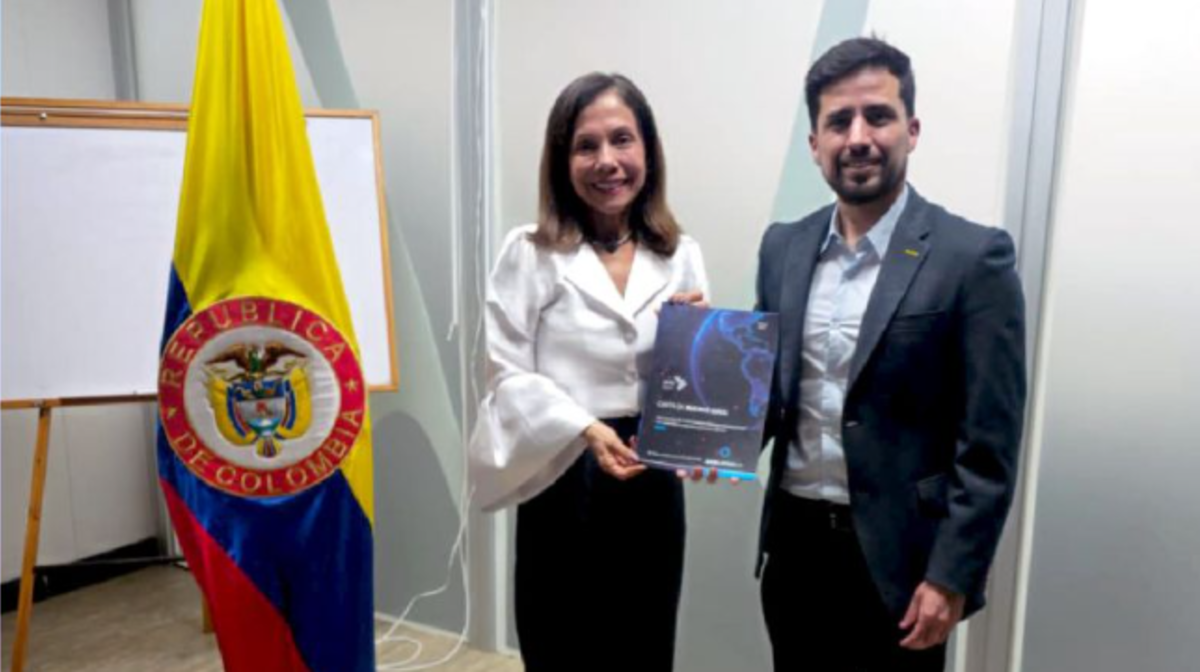
In Bogotá, representatives from ADELAT presented the proposals to the CREG and analyzed the main challenges of Colombian electricity distribution.
One of the central aspects of the meeting was the difference between the revenues recognized by the regulation and the resources actually collected by the companies, a problem that the organization linked to the need to improve the mechanisms for revenue recovery and transfer of subsidies.
The discussion is relevant to the design of remuneration schemes, since updating the distribution methodology and recognizing investments are among the issues included in the work agenda.
The meeting also addressed digital investments, tariff structure, smart metering and network quality and resilience, along with the management of electricity losses and the incorporation of distributed energy resources.
These issues are part of a regulatory discussion that includes both cost recovery mechanisms and the adaptation of networks to new operating conditions.
In that context, ADELAT confirms that it proposed six lines of technical work for 2027 and discussed with the authorities the possibility of establishing a joint agenda that would allow for further exploration of the identified issues.
The meeting was attended by Roberto Cajamarca, Director of Knowledge Management and Strategy at ADELAT, and Michael David Molina García, Coordinator of Alliances and Events.
Representing the regulator were expert commissioner Fanny Elizabeth Guerrero Maya and advisors Jorge Alberto Echeverri Villa and Diego Fernando Borda Tovar. ADELAT's executive president, Alessandra Amaral, participated virtually.
Representatives from partner companies also attended. Enel Colombia was represented by Gina Pastrana, Manuel J. Gómez Pineda, and Natalia Quijano, while Grupo Empresas Públicas de Medellín (EPM) was represented by Juliana Buriticá Muñoz, Juan Felipe Restrepo Gallego, and Aura Milena Rueda Díaz.
The presence of these distributors allowed the institutional presentation to incorporate the perspectives of companies operating in the Colombian market.
According to ADELAT's institutional communication, the objective is to bring "the perspectives and priorities of our members closer to the regulatory authorities," through technical collaboration aimed at modernizing the networks and the energy transition.
In this way, the approach with the CREG opens the possibility of continuing the analysis of the proposals, although no information was given on binding regulatory commitments or regulatory modifications approved as a result of the meeting.
Continue reading
Peru: advanced metering, hourly rates and flexibility on the 2027 agenda
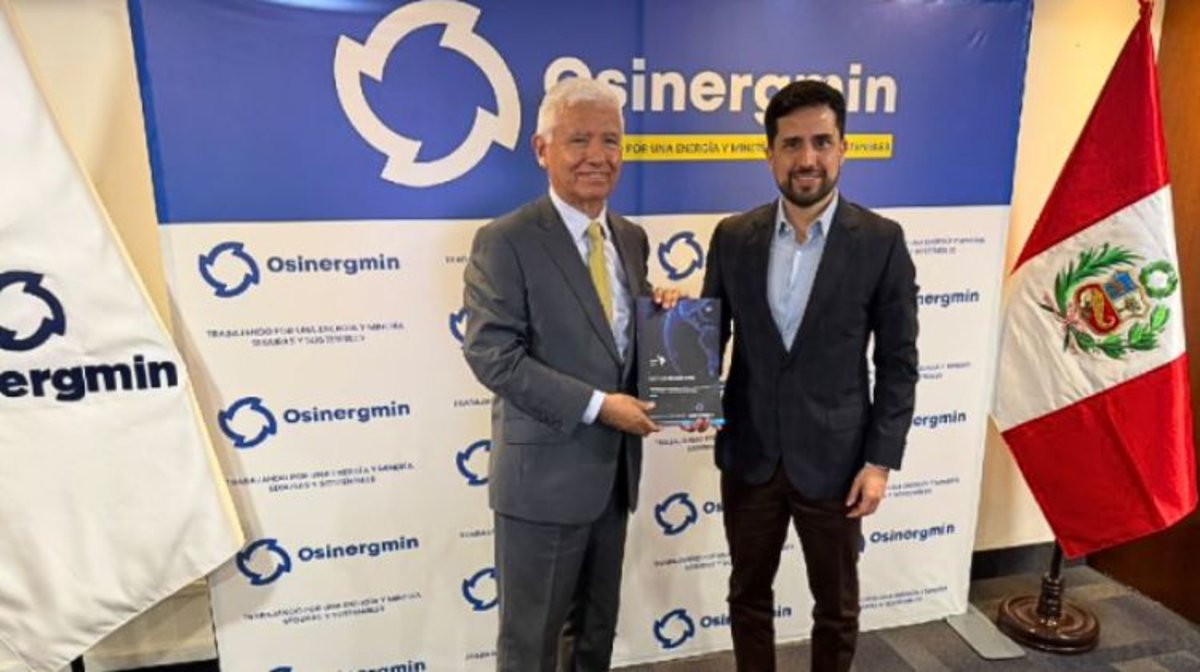
In parallel, ADELAT took the Buenos Aires Charter to Peru, where it held a meeting with Osinergmin to analyze the regulatory proposals based on the specific conditions of the Peruvian electricity system.
The meeting took place in Lima and included the participation of Roberto Cajamarca, who met with the general manager of Osinergmin, Alberto Pérez Morón, and the manager of Communications and Interinstitutional Relations, Gianino Luis Márquez Álvarez.
Daniel Hokama K. and Santiago León also participated, representing the associated company CVC Energía.
Unlike the Colombian approach, which highlighted the gap between recognized revenues and collections, the agenda presented in Peru emphasized the expansion of advanced metering infrastructure (AMI) and the regulatory conditions necessary to modernize the networks.
The topics discussed included service quality and resilience, loss recognition, and the specific characteristics of hard-to-reach areas.
The association also proposed addressing the recognition of efficient costs and investments for modernization, along with mechanisms for transparency and specialized technical review.
Another priority concerns hourly and power tariffs, as well as demand management, aspects related to the evolution of economic signals received by users of the electricity system.
The agenda also includes the integration of distributed energy resources and flexibility, two components considered within the transformation needs of network operation.
In its institutional presentation, ADELAT states that it seeks to "contribute to the analysis of the conditions required for the modernization of networks in each country," based on the experiences gathered among its member companies.
Therefore, the initiative does not propose a uniform application of the 50 proposals, but rather their review according to the characteristics of the different markets.
The regional body also highlights the importance of "giving visibility to the priorities of our members on the public and regulatory agenda," through the exchange of knowledge and coordination between companies and supervisory bodies.
The presentation to Osinergmin is part of that strategy and included contributions from the associated companies Electro Dunas and CVC Energía.
Looking ahead to 2027, the agenda presented in Peru comprises six major themes of analysis: advanced measurement; quality, resilience and losses; transparency and technical review; costs and investments; tariffs and demand management; and distributed resources and flexibility.
In both countries, the meetings allow for the identification of shared priorities related to investment recovery, digitalization, and technology integration, although with differences in the specific problems faced by each system.
ADELAT maintains that the tour is part of its institutional representation work, through which they seek to "identify common challenges and promote technical exchange with authorities and regulatory bodies."
Thus, the Buenos Aires Charter positions itself as a discussion tool to bring the proposals of Latin American distributors into the regulatory sphere.
The next challenge will be to determine how the technical agendas planned for 2027 evolve and which proposals find a place in the regulatory review processes of Colombia and Peru.
For the time being, the presentations constitute instances of technical and institutional dialogue, without any definitive regulatory agreements or implementation schedules for the reforms having been announced.

 By Emilia Lardizabal