


Argentina is preparing to launch a new call for bids to add power to the electrical system , under the Additional Reliability Reserve Service (Additional Reliability Reserve Service - or named in technical work as SerCA).
This mechanism is designed to accelerate investments in firm power along with thermal generation, hybrid projects, hydroelectric infrastructure and storage, as anticipated by Energía Estratégica in early June .
The National Energy Secretariat plans to publish the process soon and proposes that this type of contracting become a recurring tool.
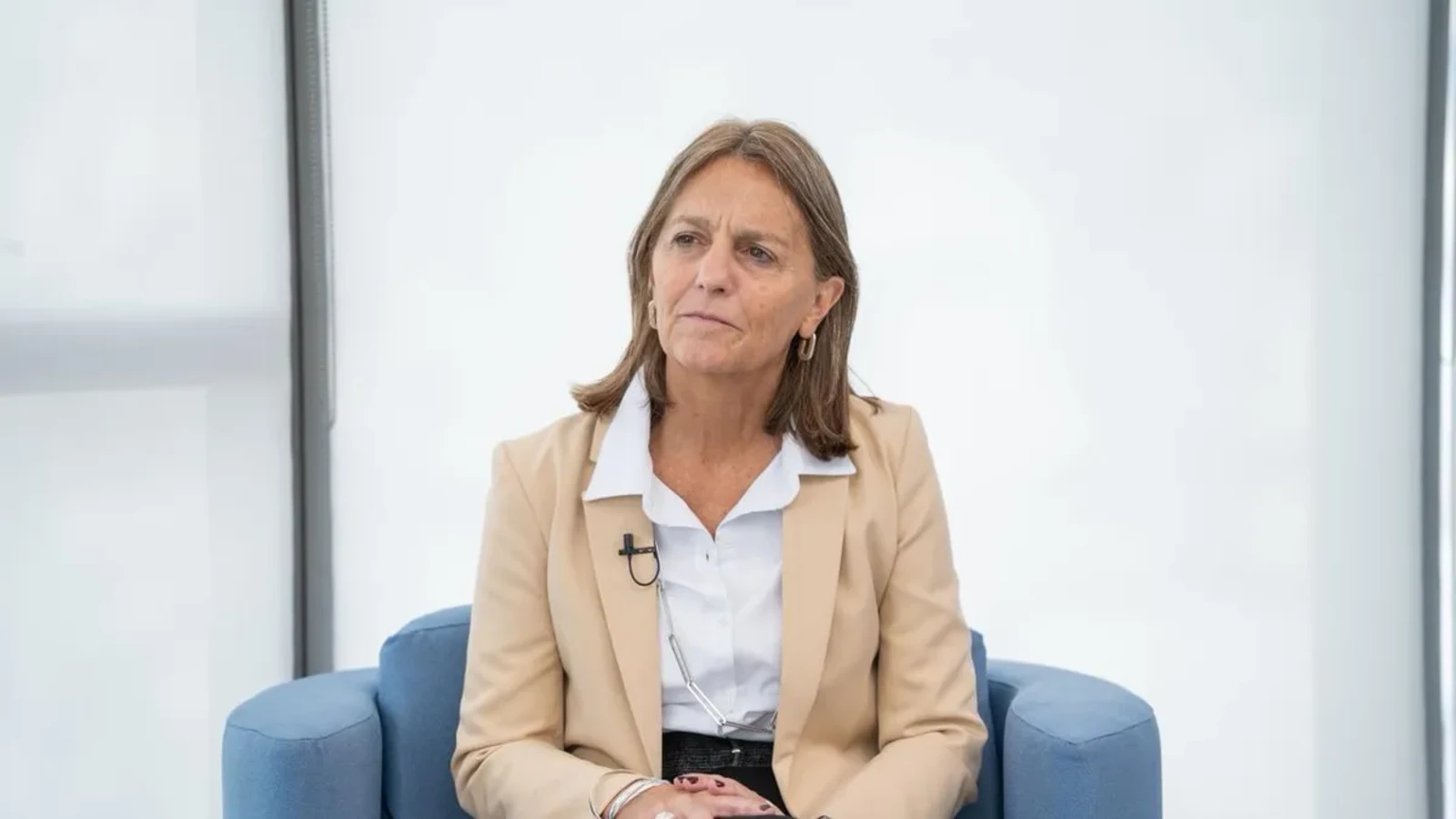
“We expect it to launch within the next 15 days. I believe that around 1000 MW per year will need to be added,” anticipated María Tettamanti , head of the country's energy ministry, during an event.

“The idea is to hold these tenders every six months. Then we'll see if it's necessary to do it every six months, or just for the first wave and then again after nine months, for example. But it will be periodic, and the incorporation will be analyzed,” he added.
Based on that, the Secretariat requested from the Wholesale Electricity Market Management Company (CAMMESA) alternative selection mechanisms and general conditions to implement the calls for bids.
One of the key aspects will be technological neutrality , since the scheme will not be restricted to a single source, but will allow renewable generation to compete with batteries, thermal power plants, and other solutions capable of providing power . Therefore, the technology will be at the discretion of each bidder.
The strategy focuses on acquiring capacity to meet specific reliability needs, especially during peak demand. Therefore, not all new infrastructure will necessarily have a high number of dispatch hours.
Tettamanti warned that they will be “machines with few hours of use” , in line with a system whose peak demand is increasingly diverging from its average consumption.
At this point, one of the technical arguments supporting the addition of new capacity emerges. The load factor of the Argentine system has fallen significantly since the 1990s, dropping from 70% to approximately 55% today.
The explanation put forward by the Secretariat is mainly linked to the seasonal consumption of air conditioning, since out of a maximum demand of approximately 31 GW, around 10 GW correspond to air conditioners, according to the figures provided during the interview.
Continue reading
This behavior forces the system to have sufficient available capacity to cover periods of high demand, even when part of that infrastructure has limited use during the rest of the year.
Location will be another key component of the call for proposals. The aim is not simply to add new power, but to do so in locations where it will bring the greatest value to the system.
“We will need to clearly identify the nodes where the additional power is most needed. But it is clearly something the system needs,” the Secretary of Energy added.
The new tool also appears as Argentina begins to define how the storage market will continue after the AlmaSADI battery tender , which awarded 700.5 MW BESS after receiving bids for approximately 8300 MW , compared to an initial target of 700 MW.
This means that the outcome left more than 7,000 MW of developed and submitted projects outside the first allocation . This pipeline constitutes a base of potential investments for future calls for proposals, although the new mechanism will not be limited to energy storage.
Batteries, demand and transmission: the other fronts of the system
Before the new power round, Argentina will begin receiving some of the projects awarded in the previous storage call, AlmaGBA , which took place in 2025, during the coming summer.
The tender had allocated 713 MW, but after the withdrawal of one project, around 680 MW remained. And according to Tettamanti, approximately 500 MW will become operational between September and February .
“Throughout the summer, some of these projects will be incorporated, which means we already have some additional power,” he says.
Subsequently, the approximately 700.5 MW corresponding to AlmaSADI will be incorporated, reinforcing the presence of batteries in the Argentine electrical system.
Strategic Energy will be present at Intersolar
LATAM is going through a key moment for the expansion of renewable energies, driven by new regulatory challenges, the growth of electricity demand and the development of storage.
In this context, Energía Estratégica will be present at two of the leading solar industry events in Latin America: The Smarter E South America, from August 25 to 27 in São Paulo, Brazil, and Intersolar Mexico, from September 1 to 3 in Mexico City. From both events, the publication will provide special coverage with exclusive interviews, regulatory analysis, and the key developments that will shape the regional markets.