

A detailed analysis by Aurora Energy Research shows that the results of the last three regulated supply tenders in Chile were decided by extremely narrow margins, with the same player winning each time. In tender 2025/1 specifically, a flat reduction of just 0.7% in the bids of the other participants would have been enough to change the winner.
The analysis was carried out using the new quantitative modeling and analysis product “Regulated PPA Market Insights”, which Aurora Energy Research has launched to the market in anticipation of the upcoming 2026/1 tender, which is currently underway.
Key findings from the analysis of recent tenders highlight that competition can be defined by details such as price, volume, and indexation. Aurora's analysis of tender 2025/1 shows that minor adjustments to price, volume flexibility, or the indexation structure could have altered the position of several bids. In one area, the available volume was exhausted early on and ultimately became the constraint that determined the outcome of the process.
On the other hand, the analysis concludes that utilization risk remains material and is not uniform. Utilization of regulated contracts fell from 92% in 2015 to 58% in 2022, with significant differences between zones and time blocks. Aurora estimates that, for a benchmark contract, low utilization represented approximately 20% of the PPA value. The “Regulated PPA Market Insights” product incorporates regulated demand projections at the nodal and block levels to identify where this risk persists and assess it within each offer.
Furthermore, the analysis shows that nodal exposure requires going beyond an average assessment. Modulation factors only cover a portion of the differences between the supply and withdrawal nodes and do not fully reflect intraday dynamics, particularly during daylight hours. Therefore, projections of nodal prices, congestion, and transmission risk are necessary to evaluate this exposure over the lifetime of the contract.
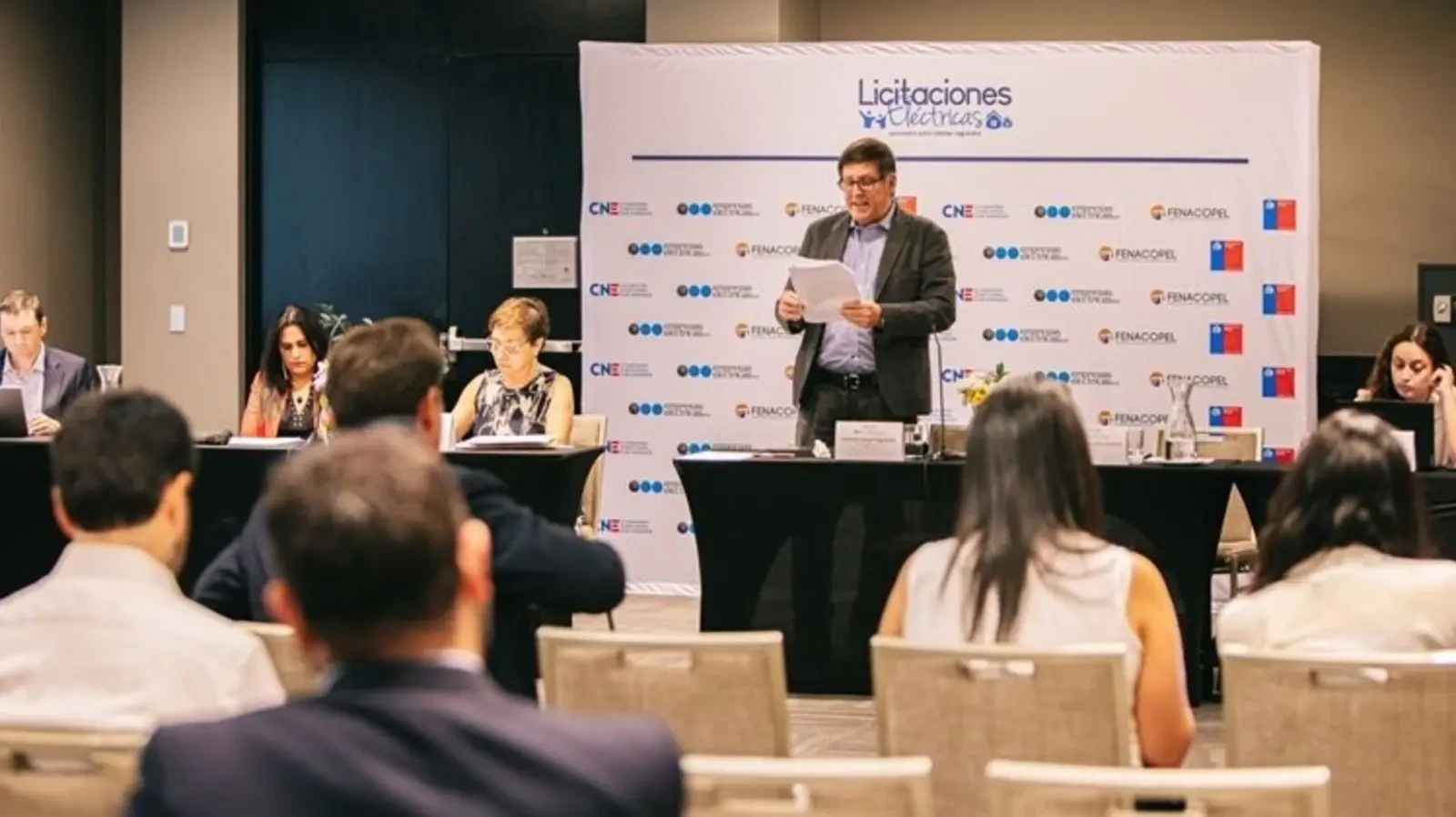
Supply tenders are competitive processes that are held regularly and organized by the National Energy Commission (CNE). The current tender, 2026/1, covers 2,835 GWh/year of supply, distributed across four zones and two time blocks, with 15-year contracts beginning in 2029 and 2030.
Aurora Energy Research's "Regulated PPA Market Insights" product combines historical demand and utilization data, contract economics assessments, demand and pricing scenarios, competitor analysis, and a portfolio-based simulation tool. This allows for the evaluation of bid profiles, award probabilities, and the main sensitivities that participants face before the bidding process.
"The fact that the same company has won the last few supply tenders might give the impression that the outcome is predetermined. But the data shows the opposite: the competition is very tight, and the difference between winning or losing can depend on a fraction of the price, how the volume is allocated between zones, or the indexation structure," commented Raúl Urtubia, Research Product Manager at Aurora Energy Research.