The province of Buenos Aires has approved new regulations for community-based distributed generation , marking a turning point in the advancement of decentralized renewable energy in Argentina. For the first time, the regulations allow multiple users in the province with independent supply points to partner and jointly produce renewable energy, share the benefits of self-consumption, and monetize any surplus energy fed into the grid. The new regulatory framework establishes clear technical, contractual, and economic rules for the development of projects exceeding 10 kW .
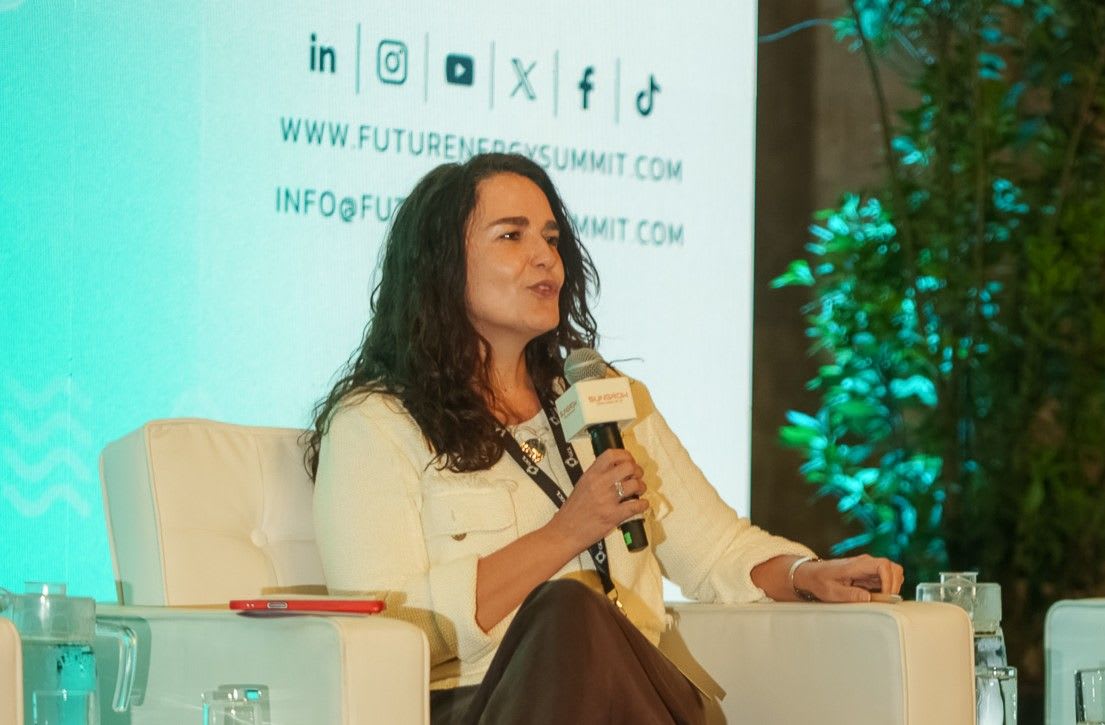
It is specifically geared towards SMEs, cooperatives, municipalities, industrial parks, and urban and rural communities , and moves beyond the experimental or pilot nature that characterized many previous initiatives. "This isn't about pilot projects, but rather a framework designed for medium-scale installations, with defined technical, contractual, and economic rules, enabling a real flow of projects for engineering firms, EPC companies, technology integrators, and equipment suppliers," stated the energy transition expert, Dr.-Ing.
Alejandro J.
Gesino explained that user associations can be formed through a private agreement or a legal entity, and each member will receive monetary credits on their bill for their participation in the injected energy surplus . "A key aspect is the clarity in the monetization of surplus energy (...) This predictability substantially improves financial models, reduces regulatory risk, and strengthens the bankability of projects, allowing for the structuring of collective self-consumption schemes with measurable and sustainable returns," Gesino stated. Furthermore, projects registered in the RUGER ( the mandatory registry for accessing the program) will have access to tax exemptions provided for in Law 15,325 , including direct communication with ARBA (the Buenos Aires Province Tax Authority), which directly impacts the improvement of return on investment and the profitability of the projects. It is worth noting that Buenos Aires is currently the second jurisdiction with the largest participation in national distributed generation under Law No. 27,424 , with 917 user-generators totaling 22.61 MW of installed capacity . This figure represents more than 18% of the 119.24 MW operating nationwide ; in addition, the province of Buenos Aires also has 278 pending applications that could add an additional 5.14 MW .


 By Energía Estratégica

 By Emilia Lardizabal

 By Ailén Pedrotti