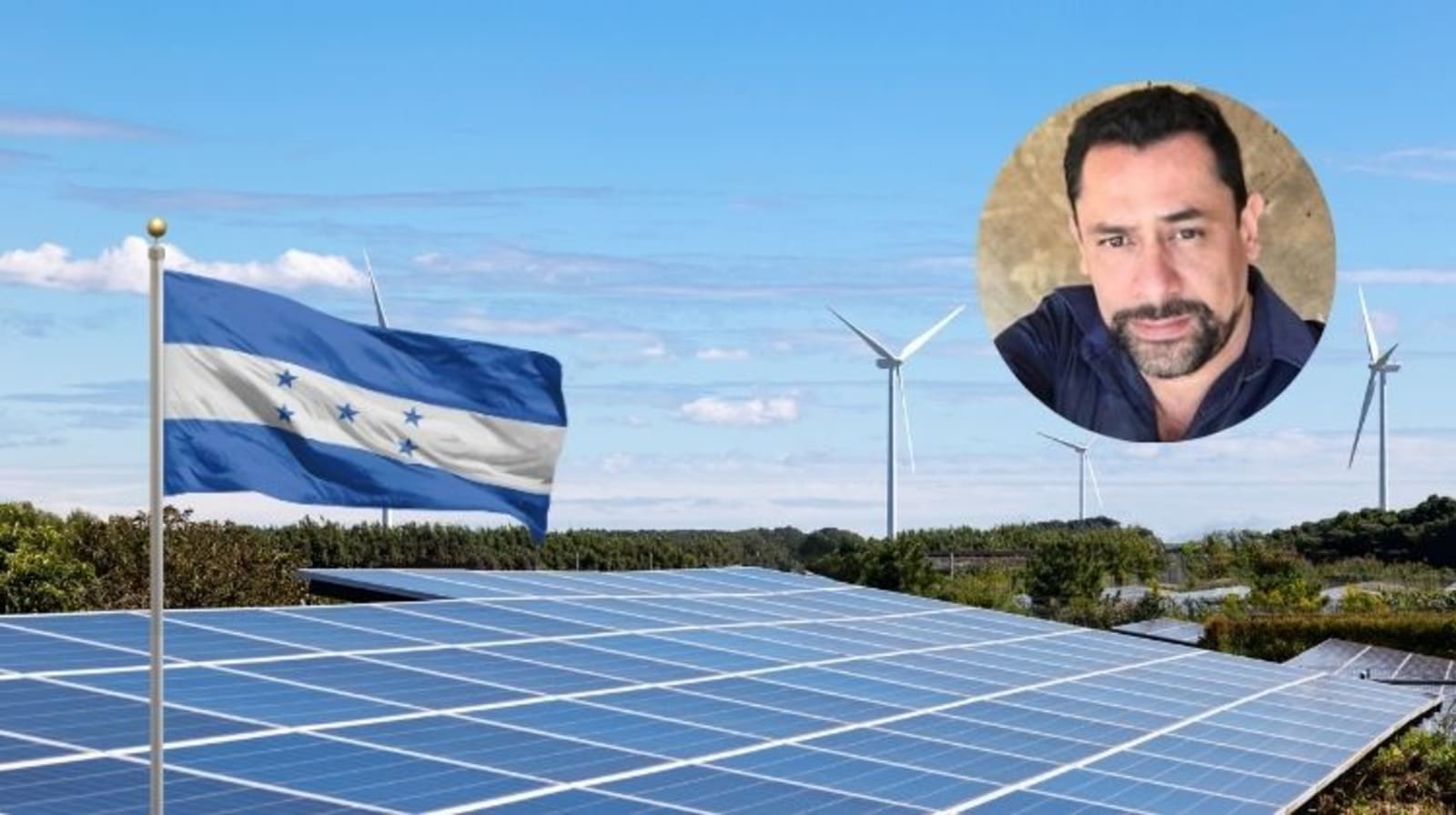
The bidding process for 1500 MW that Honduras is preparing to launch will be completely redesigned. The Electric Power Regulatory Commission (CREE) has already confirmed that the BOT (Build, Operate and Transfer) model, under which private companies build, operate, and then transfer the plants to the State, will be excluded from the new terms. "The 1500 MW bidding process will undergo changes."
We believe that the BOT foreseen in the tender will not continue, nor will the subsequent rounds.
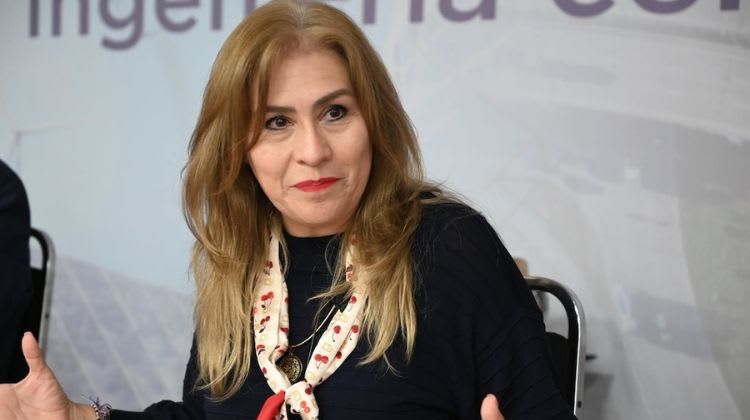
"It's a reality because a new way of making public policies is coming," said Wilfredo Flores, commissioner of the CREE, in a video shared by the commissioner himself.
"Honduras is a country rich in natural resources. We have sun, water, and wind."

Furthermore, we have three regional interconnections with Guatemala, El Salvador, and Nicaragua, so the country has everything it needs to develop from an energy perspective.
"We just need to create the right public policies to move the country forward," he added.
According to information obtained by Energía Estratégica from other sources in the sector, the decision implies a comprehensive review of the contracting mechanisms, aimed at a more flexible energy policy, with greater participation of the private sector.
Why? Previously, the design would include blocks differentiated by technology type and geographical location , with the aim of optimizing the country's resources: solar in the south, wind in western areas, and geothermal in specific regions.
But redefining the scheme would also allow for attracting a more diverse investor base by eliminating the obligation to hand over assets at the end of the transaction.
This change is part of a new orientation of public policies in the sector, with greater openness to the market, but without neglecting certain social instruments.
CREE argues that the country needs to adjust its energy policy to the local reality, balancing clear economic signals with protection measures for the most vulnerable sectors.
One of the recent examples is the tariff freeze, since although the regulator had approved an increase of 4.11%, the Executive decided to keep the tariffs unchanged, prioritizing the economic impact on households and small businesses.
In parallel, the government made progress in infrastructure that paves the way for the incorporation of the new generation.
Twenty 50 MW transformers were installed and new transmission lines were developed that allow solar energy to be transferred from the south to the north, where demand is concentrated.
These works significantly reduced blackouts in critical areas such as San Pedro Sula and allowed for the decongestion of key sections of the network.
As a result, the country's full potential will depend on the existence of clear rules, contracting mechanisms, and long-term policies .
And the new bidding process will be a key barometer to measure where the Honduran energy transition is headed.

 By Florencia Guglielmetti
 By Energía Estratégica

 By Matías Medinilla
 By Emilia Lardizabal