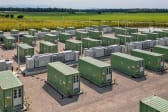
Celaris Energy is negotiating the acquisition of more renewable projects in Peru to continue its USD 1.2 billion expansion plan, which aims to reach between 1000 and 1200 MW of power by 2029-2030, as it told Energía Estratégica in August.
“We are evaluating four initiatives, two wind and two solar, which are in advanced stages of negotiation, due diligence and technical, legal and financial evaluation,” the company revealed to this media outlet.
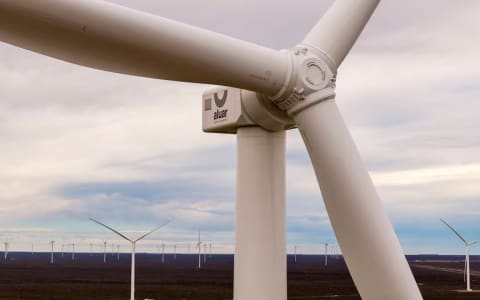
The first leap in installed capacity would materialize during the first months of 2027 with the entry into commercial operation of the Caravelí Wind Farm (218 MW) , which has a construction progress of 98% and will allow the firm to multiply its operating power almost by 12.
“2027 could be an important year to begin realizing new investment opportunities, provided that the regulations are finalized in a timely manner and are accompanied by clear operating procedures, well-defined contracting mechanisms, and economic signals that favor the development of new projects,” Celaris Energy stated.

The acquisition strategy prioritizes assets with advanced permitting to reduce execution times , since with approximately three or four years of presence in the Peruvian market, the generator currently has 20 MW operational corresponding to the Manta Hydroelectric Plant, located in Áncash, but the horizon is clear.
Its main development is located in the district of Lomas, Arequipa, where it allocates USD 240 million to Caravelí , which will have 37 wind turbines and a transmission infrastructure of 47.2 kilometers for its connection to the National Interconnected Electric System (SEIN).
With an estimated generation exceeding 600 GWh per year, the complex will strengthen the firm's commercial offering through supply contracts backed by its own assets and I-REC international certification.
“In our business strategy, this project represents a fundamental asset. It will allow us to strengthen our own generation capacity and expand our renewable energy offering to industrial and corporate clients. In fact, we have already made progress in contracting its production, having placed a large volume of its output for the first years of its operation,” the company stated.
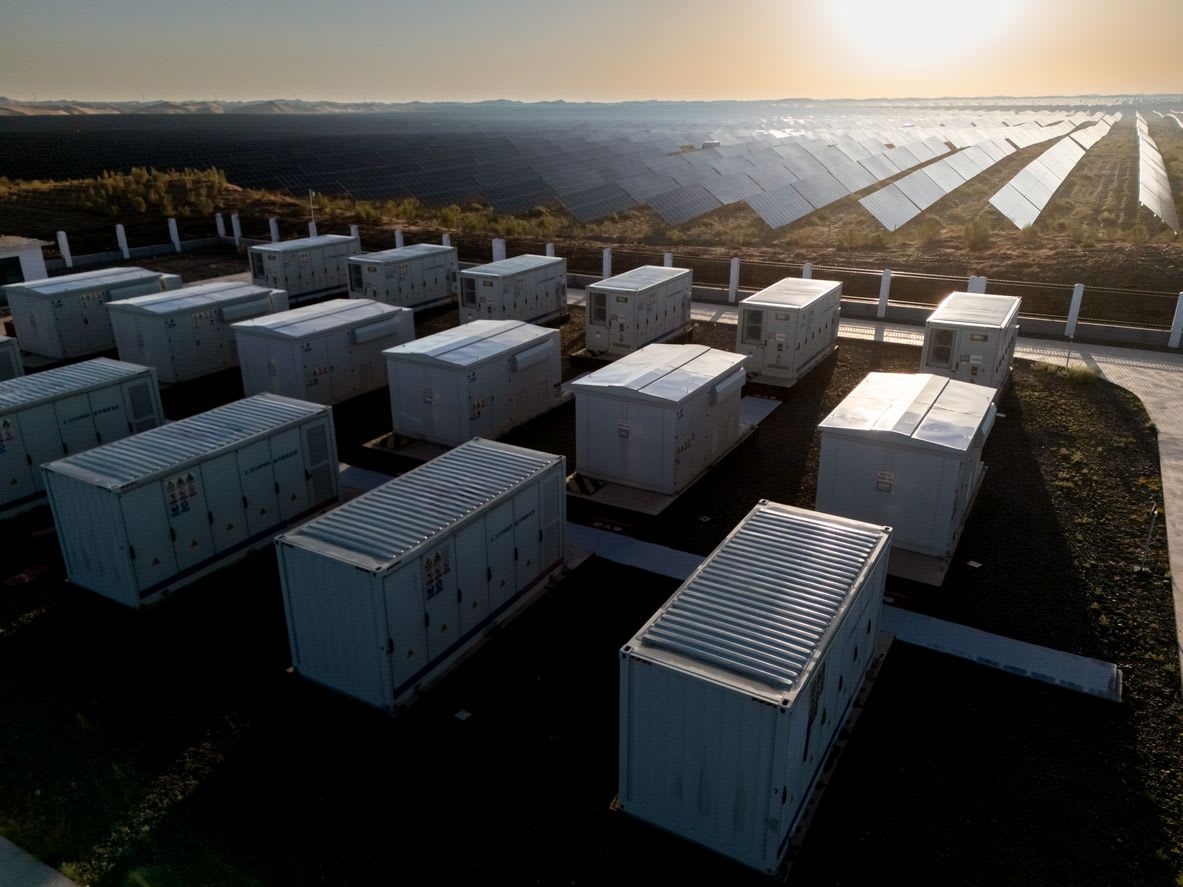
The corporate expansion is taking place in a market that, according to data collected months ago by Energía Estratégica , has accumulated more than 22 GW of solar and wind power in different stages of development, while storage has a potential of close to 700 MW by 2030.
Compared to the 1240 MW of photovoltaic and 1021.3 MW of wind power installed at that time, the volume of initiatives demonstrates the growth potential of both technologies.
In 2026 alone, 251 MW of solar capacity was added, while another 597 MW were under construction. Therefore, if these projects are completed, and without any capacity withdrawals, Peru's photovoltaic capacity could reach 1,838 MW , an increase of approximately 48%.
However, the Economic Operation Committee of the National Interconnected System (COES) warned that, of the approximately 25,000 MW of generation under development, only between 3,000 and 3,500 MW corresponded to initiatives under construction or about to begin construction.
The regulatory, contractual, and financial barriers that condition its execution explain part of the expectations placed on the implementation of Law 32249 , published in January 2025, considering that the modification of Law 28832 introduces changes in electricity contracting for regulated users, with short, medium, and long-term tenders differentiated by time blocks and technologies.
For long-term processes, it establishes a minimum advance notice of three years and contracts of up to 15 years. And although the Ministry of Energy and Mines (MINEM) has already submitted the draft procurement regulations for public consultation and published the final report with the comments received, the sector is still awaiting the implementation of the mechanisms.
“MINEM has publicly stated that its objective is to complete, before the end of 2026, the approval of the pending regulations related to electricity contracts and complementary services,” the generator indicated.
“We also emphasize the importance of recognizing and developing the complementary services required by an electrical system with a growing share of renewable sources, as well as establishing appropriate economic signals to incentivize flexibility and reliability of supply,” they added.
PPAs are gaining ground among Peruvian industries
While awaiting the definitions for the regulated market, Celaris Energy is finding commercial opportunities among industrial consumers in sectors such as mining, manufacturing, agribusiness and textiles.
“We are seeing a growing interest in medium- and long-term supply contracts, particularly those that allow for more predictable price and supply conditions,” they said.
Exposure to the volatility of electricity prices and the environmental demands of global value chains favor the contracting of power purchase agreements (PPAs) with verifiable attributes of renewable origin .
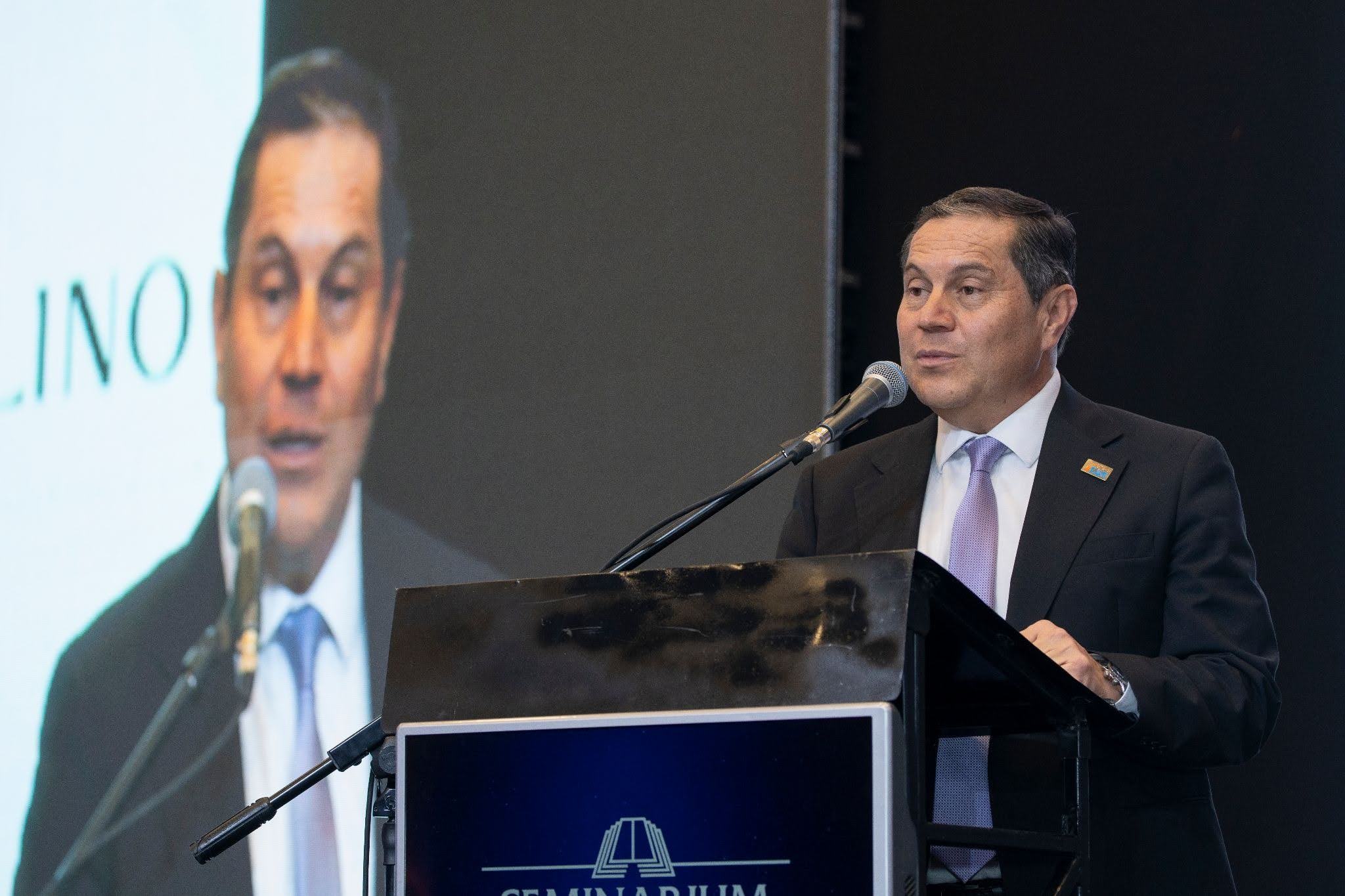
These issues were on the table during the recent meeting “Renewable Energy: A Strategic Decision for Competitiveness,” organized by the firm together with business leaders and representatives of the public sector, including the Vice Minister of Electricity.
“While commitments to sustainability and decarbonization remain relevant, today there is a more comprehensive view of energy management, in which factors such as competitiveness, cost predictability, security of supply and access to international markets with higher environmental requirements converge,” Celaris Energy emphasized.
“The challenge is to turn that conversation into regulatory advances and decisions that boost the country’s energy development,” they concluded.
 By Emilia Lardizabal
 By Matías Medinilla

 By Ailén Pedrotti
 By Energía Estratégica