Spain is preparing a transformation of its electricity infrastructure to meet growing demand, but the planned capacity is still far from covering all the requests received. The Third Vice President and Minister for Ecological Transition, Sara Aagesen , presented the new Transmission Network Plan for 2030 to Congress, which will allow for an additional 47.4 GW, barely a fifth of the power requested during its processing.
The document, pending approval by the Council of Ministers, represents a shift in direction compared to the previous model. While the current plan, with a 2026 horizon, only considered 2 GW for new consumption, the next one multiplies that capacity by 23.5 and places the electrification of the economy among its main objectives.
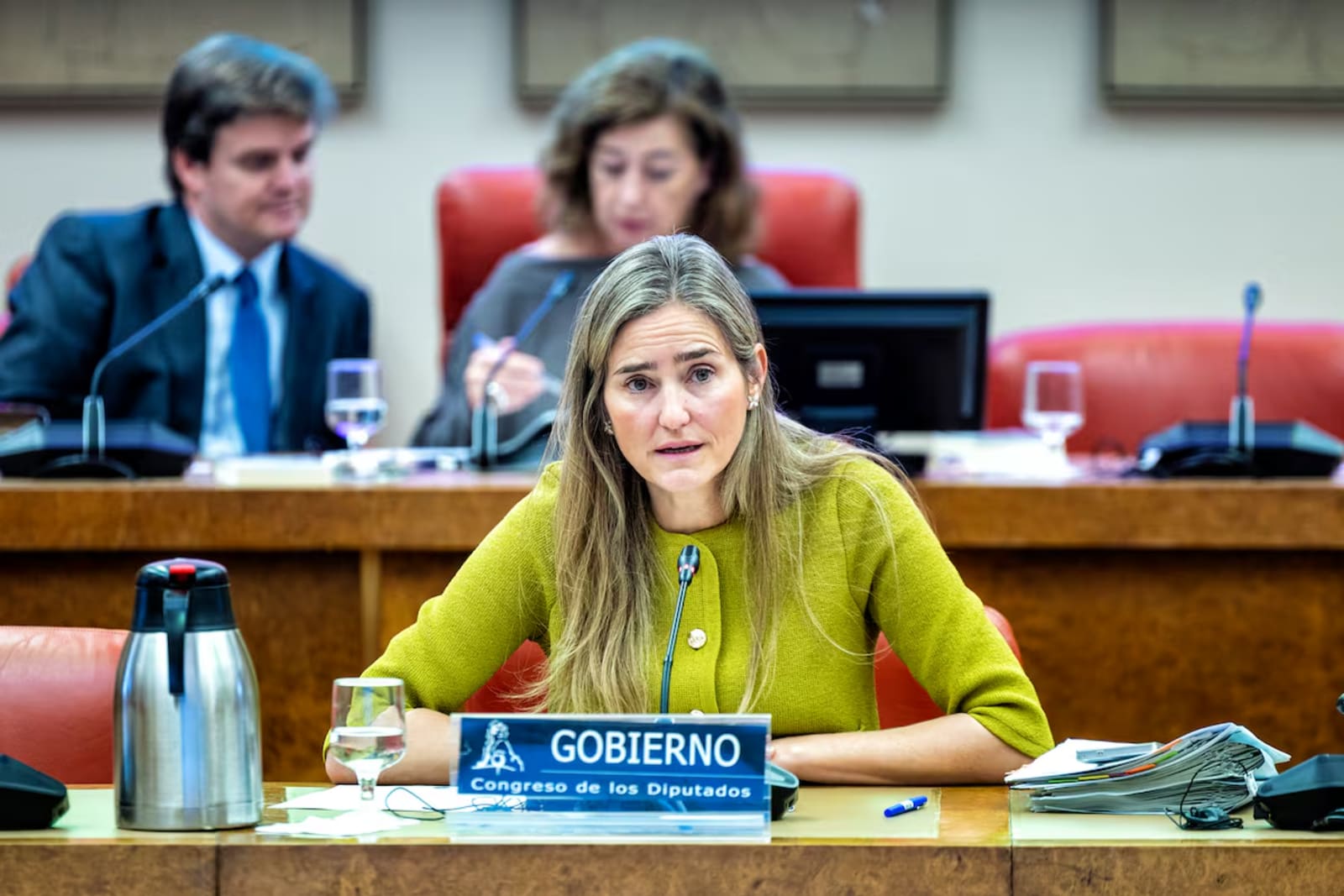
"It is a paradigm-shifting plan because, for the first time, the priority has been to meet demand," Aagesen argued during his appearance before the Permanent Deputation of the Congress of Deputies.
The increase is a response to growing pressure on the electricity system. The Ministry for Ecological Transition and the Demographic Challenge (MITECO) received 2,566 comments during the public consultation period , the analysis of which led to a 71% increase in the initially planned power capacity.

Where will this new capacity be concentrated? Industrial electrification and decarbonization leads the forecasts with 14.9 GW, followed by renewable hydrogen and its derivatives, with 12.4 GW, and data processing centers, which will absorb another 9.3 GW.
These three activities account for 36.6 GW, equivalent to more than 77% of the new consumption expected, reflecting the weight that large industrial and technological projects will have in the development of the Spanish energy infrastructure.
Housing and territorial development will receive 6 GW, while transport electrification will receive 2.5 GW. Ports will receive 1.8 GW and rail corridors another 0.5 GW.
Of the total number of requests received, approximately 55%, or about 26 GW, will be connected directly to the transmission network, while the remaining 45% will depend on distribution infrastructure.
Nearly 15,000 kilometers of performances and more storage capacity
Implementing this plan will require building 6,706 kilometers of new power lines and upgrading another 8,164 kilometers of existing lines , along with the addition of 193 substation parks, 45% more than in the current program.
The actions also include 301 positions intended to support the distribution network, three times as many as in the previous plan, and another 270 for generation and storage, including 28 linked to new reversible hydroelectric power plants.
Continue reading
These will be joined by 162 positions for large consumers directly connected to transport and 59 intended to facilitate railway and port electrification.
The reinforcement will allow for the simultaneous incorporation of new economic activities and the connection of energy facilities, in a context marked by the growth of renewables and the need to adapt infrastructures to new consumption patterns.
According to data presented by Aagesen, Spain's installed renewable energy capacity has increased by 52% since 2018, reaching 154 GW. The minister attributed this expansion to greater energy competitiveness, lower electricity costs, and reduced exposure to the international volatility of fossil fuels.
Investment is increasing and the network is preparing for a 50% increase in demand.
The planned budget reaches 17.142 billion euros, almost 150% more than in the planning with a 2026 horizon and above the 13.6 billion announced when the processing of the new document began.
This increase is part of the regulatory review approved in July through Royal Decree 640/2026, which enabled an additional 17.9 billion euros of investment for the networks: 7.7 billion for transport and 10.2 billion for distribution.
The new regulatory margin will allow for reinforcements to security of supply and anticipatory investments, necessary to adapt the infrastructure before certain consumption levels materialize.
With all the actions carried out, the Spanish electricity system would be prepared to supply an annual demand of 375 TWh, 50% higher than the consumption recorded during 2025 , according to the forecasts of MITECO.
Furthermore, peak power demand could reach 61.4 GW, approximately 30% above the current level.
Housing is another key focus. The government is planning 103 connection points for this sector, approximately one-third of those allocated to support distribution.
Aagesen explained that the 6 GW allocated would allow supplying three million homes with a high level of electrification, a capacity equivalent to one and a half times the electricity demand of the Community of Madrid.
The Ministry also gave priority to residential needs and expanded its participation after evaluating the comments received.

 By Florencia Guglielmetti

 By Emilia Lardizabal