

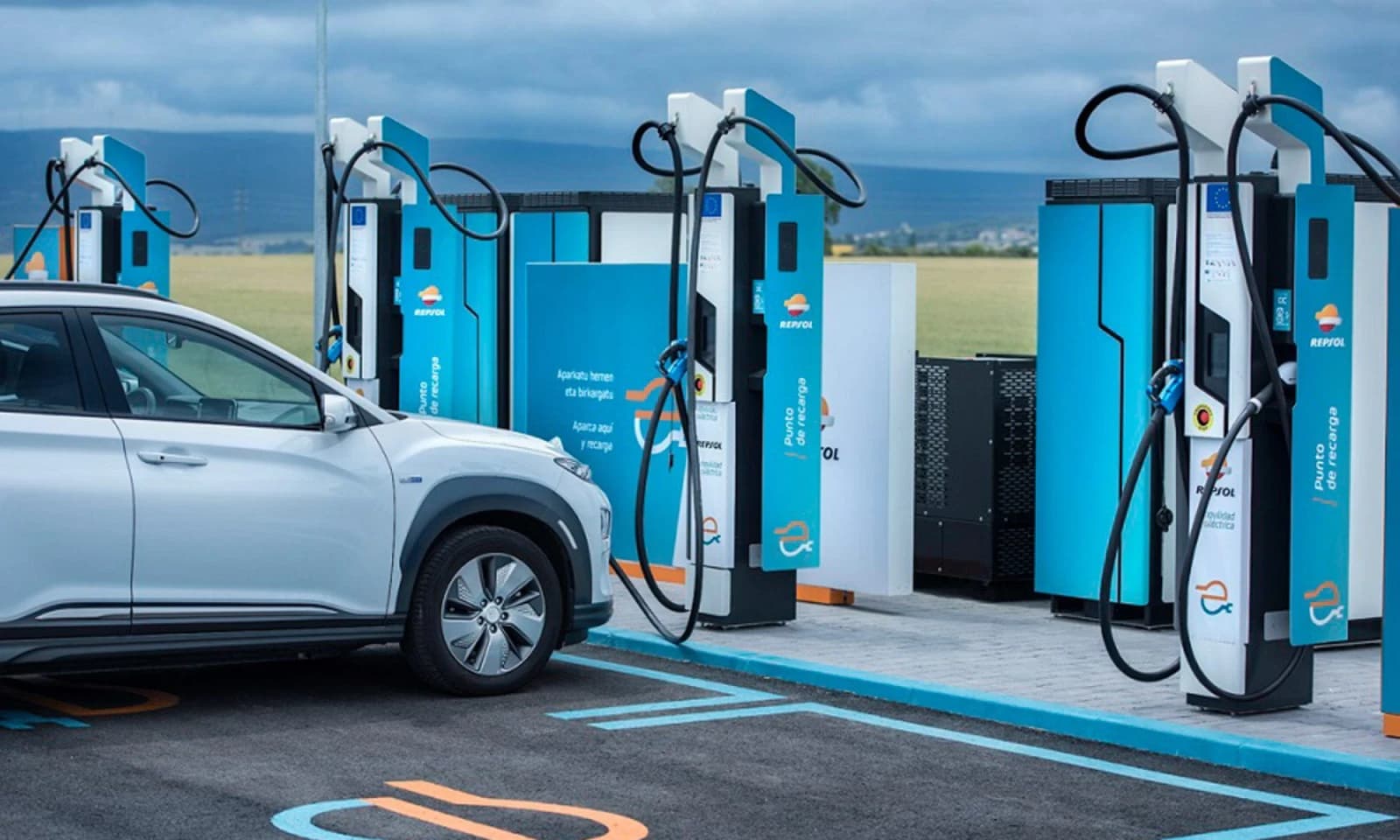
Spain has approved a new regulatory framework that will require fuel suppliers to progressively reduce transport emissions and increase the share of renewable energy by 2040. The regulations also create e-credits , a system that will allow for the certification of clean electricity used by electric vehicles and generate additional income for charging point operators.
The Royal Decree, approved by the Council of Ministers on July 21, 2026, establishes for the first time separate paths for road transport, coastal shipping and non-electrified rail, in addition to incorporating the European targets planned for aviation.
In the road transport sector, fuels sold must achieve a reduction in greenhouse gas emissions of 17.6% by 2030 and 30% by 2040. These obligations will fall on suppliers and not end users, and will therefore primarily affect wholesale operators of petroleum products and LPG.
The framework also stipulates that advanced biofuels and biogas, together with renewable hydrogen and other renewable non-biological fuels — known as RFNBO — must collectively account for at least 8% of energy supplied in 2030 and 22% in 2040 .
The new regulation transposes the revised European Renewable Energy Directive, known as DER III , into Spanish law and broadens the scope of transport policy. It will no longer be limited to biodiesel and bioethanol, but will include renewable electricity, hydrogen, and new low-carbon fuels.
One of the main changes will be the introduction of e-credits . This mechanism will allow the renewable energy consumed by electric vehicles to be accounted for and converted into certificates that fuel suppliers can purchase to meet their obligations.
In this way, charging station operators will be able to incorporate a new source of revenue linked to the electricity supplied. The system aims to improve the profitability of the infrastructure and accelerate its deployment, as well as recognize the contribution of electric mobility to emissions reduction.
Along with the obligated suppliers, the regulations also allow for the participation of authorized entities, including hydrogen producers and other renewable energy producers, as well as charging point operators. These entities will be able to request renewable energy certificates and sell them within the new market.
The decree also introduces flexibility mechanisms. In certain cases, renewable hydrogen used in industry may count towards meeting the sub-targets applicable to road transport, provided it makes an equivalent contribution to decarbonization.
Coastal shipping must reduce emissions associated with its fuels by 9% in 2030 and 33% in 2040. For non-electrified rail, the targets rise from 10% in 2030 to 50% in 2040 .
In air transport, the path of the ReFuelEU Aviation Regulation will be applied, which requires a minimum share of sustainable fuels of 6% in 2030 and 34% in 2040 .
Greater control over traceability and penalties for non-compliance
The new framework strengthens sustainability and certification requirements to prevent fuels without environmental guarantees from being marketed as renewable.
To this end, a National Sustainability Verification System will be created that will cover all stages of the value chain, from the origin of raw materials and production to marketing and final consumption.
The controls currently applied to biodiesel and bioethanol will be extended to renewable hydrogen, synthetic fuels, and other non-biological products.
The regulation also strengthens the sanctions regime. Failure to comply with emissions reduction obligations or the incorporation of renewable energy sources will be considered a very serious offense under the terms established by the Hydrocarbons Law.
In addition, the Government will annually recognize companies that certify the largest volumes of renewable energy used in transport by awarding the "leader in energy transition" distinction.
The framework will complement policies on electrification, public transport, and modal shift. Its aim is not to replace these measures, but to reduce emissions from the portion of mobility that continues to rely on liquid or gaseous fuels for decades to come.
With the new rules, Spain aims to send a long-term signal to producers of advanced biofuels, renewable hydrogen developers, refueling operators, and energy providers. The outcome will now depend on the market's ability to translate regulatory obligations into investment, new infrastructure, and competitive fuels.