


The digitization of electrical infrastructure is progressing in Latin America, but the main challenge is no longer incorporating sensors, communications, or analytics platforms. The discussion is shifting to another area: the ability of companies to make operational decisions based on remote, real-time information.
While for decades maintenance relied on on-site inspections and periodic off-site testing, new technologies allow for continuous monitoring of the behavior of transformers, generators, and lines. The goal is to identify deviations before they become failures and reduce response times when an emergency occurs.
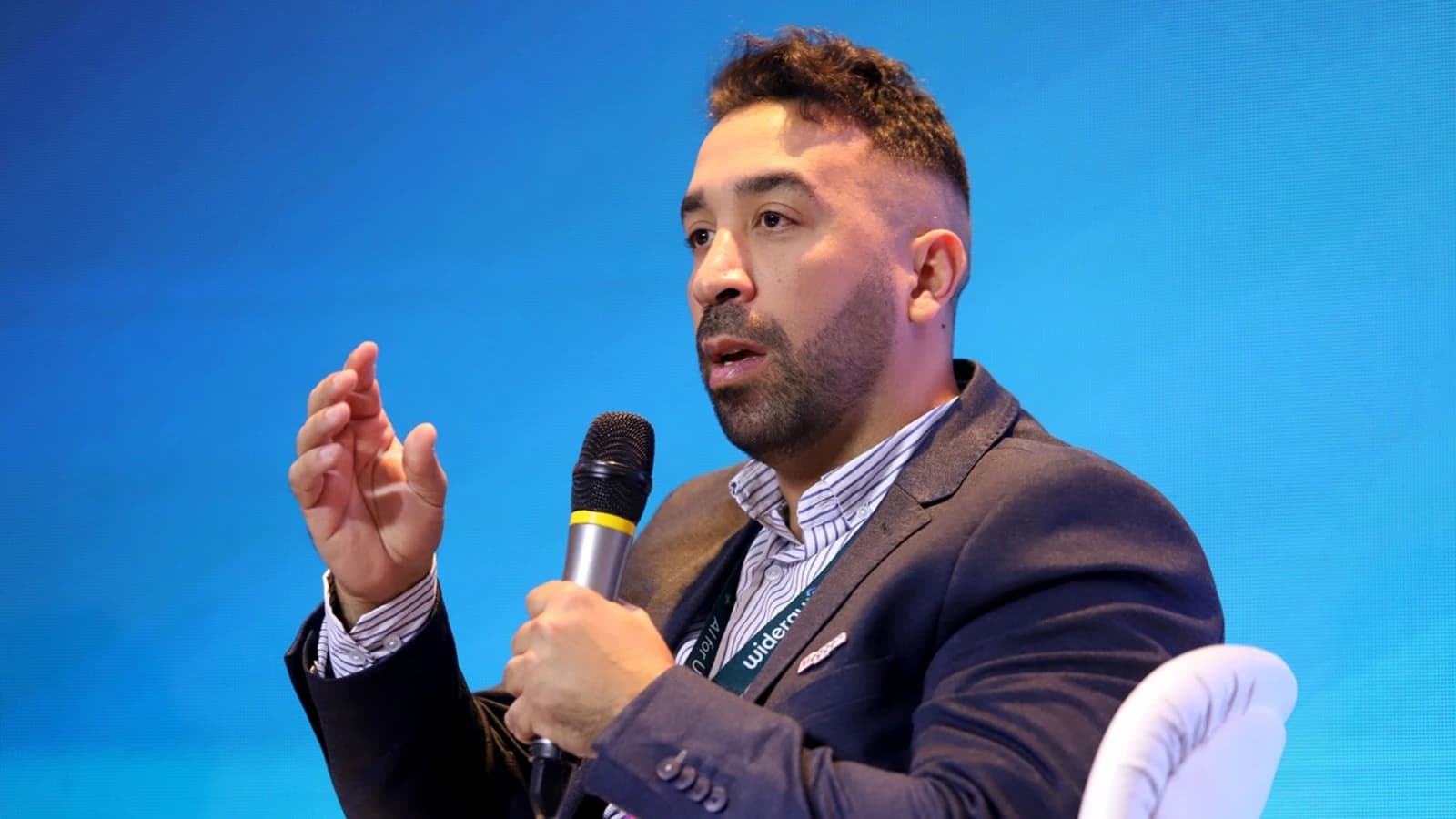
“With the technology available, it is very likely that good information can be gathered remotely without having to go to the field to see what is happening,” stated Facundo Gagliardo , LATAM Manager of Online Monitoring of Electrical Assets at Megger , a manufacturing company with more than 130 years of experience in electrical maintenance.
However, the executive argues that the main barrier to moving in this direction is not technological, but rather a change in philosophy.

“That change in philosophy, that relocation of jobs, that profile that the client has to build in order to be able to handle the information in that way, takes time. It's a company-wide change,” the interviewee commented.
The transition involves moving away from a logic based on one-off diagnoses and toward continuous asset management. Megger incorporated a dedicated online monitoring division about seven years ago to respond to this market evolution.
Currently, the solutions allow for the monitoring of medium-voltage networks, power transformers, generators, and transmission lines. In the event of incidents such as overcurrents, circuit breaks, or impedance faults, the systems quickly identify the location of the problem using analysis algorithms.
The information also allows for the development of predictive models. Instead of only intervening in equipment when a failure occurs or when a scheduled inspection is due, companies can monitor the evolution of critical variables and anticipate deterioration.
“When we talk about a generator or a transformer, it’s about understanding, through monitoring trends, the lifespan of that machine and where its potential failure will be addressed in order to intervene before it happens,” he explains.
The need for these types of tools becomes increasingly relevant as the share of renewables in the energy mix increases, since the incorporation of wind and solar generation forces distributors and transporters to guarantee greater availability of their facilities.
According to Gagliardo, these technologies put pressure on the grids because they require that transport capacity remain constantly available to evacuate generation.
In this context, new operational challenges also arise. While in a conventional power plant much of the attention is focused on generating equipment, in a wind farm one of the most sensitive assets can be the network of buried cables.
Aging infrastructure and real-time monitoring
The need to evolve toward predictive models is also linked to the state of much of the region's electrical infrastructure. In numerous Latin American markets, facilities built several decades ago continue to operate.
Faced with this scenario, Megger is promoting Sentrisense , a technology originally developed in Argentina and currently exported to various international markets. The system allows for monitoring the behavior of transmission lines to detect aging, mechanical fatigue of conductors, risk of breakage, and even attempts at infrastructure theft.
“We have very good systems, manufactured and designed in Argentina through a business division that Megger bought and today we are exporting them worldwide, with results already in Europe,” Gagliardo said.
“ Sentrisense will prevent many problems, especially in the aging of lines, which in Argentina, for example, has works that are more than 40 years old, understanding conductor fatigue, when that cable can be cut, when it can be damaged, in addition to thefts,” he added.
The solution is already available for Latin America and is part of the company's global strategy to expand continuous monitoring of critical assets.
The fundamental question, however, goes beyond technology. The ability to obtain real-time information already exists. The next step will be to determine how quickly the region's electric utilities can adapt their structures, processes, and teams to operate under an increasingly digital and predictive logic.