The growth in electricity demand, the expansion of industrial operations, and decarbonization goals are leading companies to review how they plan and manage the energy required for their processes. In Colombia, where electricity consumption has increased by 24% compared to 2019, coupled with a firm energy deficit of 8.5% to 9% and a 46% reduction in natural gas reserves, these challenges reinforce the importance of developing and managing electrical infrastructure in coordination with production needs.
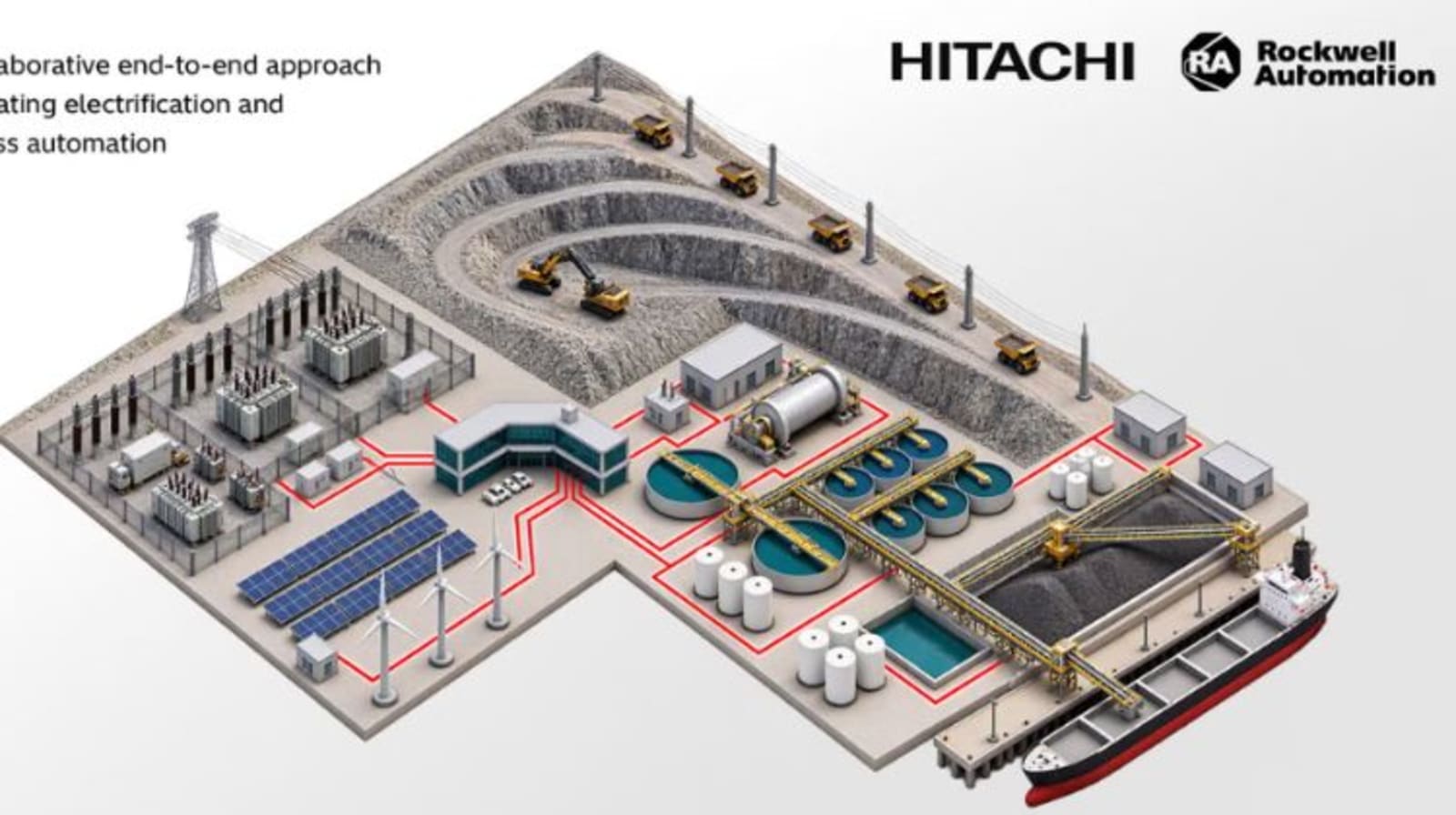
In this context, Hitachi Energy, specializing in electrification, and Rockwell Automation, specializing in industrial automation, announced a collaboration focused on an integrated approach known as grid-to-process . The proposal seeks to coordinate the planning of electrical infrastructure with the systems that manage production, so that decisions about supply, consumption, and industrial operation are considered together.
Faced with pressure to mitigate supply risks, optimize operating costs, and meet emissions reduction targets, electrical systems and manufacturing operations can no longer be planned or executed in isolation. Grid fluctuations and power quality immediately impact equipment performance, while production demand dictates the planning and stability of electrical systems.
By combining capabilities in grid connectivity, power quality, energy management, protection and control, along with process automation and digital operations, the collaboration aims to facilitate more coordinated planning between electrical and production systems. This approach can help simplify engineering, improve interdisciplinary collaboration, and support more efficient industrial operations.
Continue reading
Focus on energy-intensive industries
Mining and metals represent the initial focus of this integration, with plans to expand into other energy-intensive industries. Faced with the demand for strategic minerals essential for the energy transition, companies in this sector need to expand their capacity under demanding supply conditions. Continuous, high-consumption processes—such as crushing, grinding, pumping, and material handling—depend on a stable power supply, where any disruption or outage directly impacts asset lifespan and business profitability.
“Electrification is transforming the economics of industrial operations. Energy infrastructure decisions increasingly impact productivity, sustainability, and growth. As industries expand capacity and modernize operations, they require greater coordination between the systems powering their facilities and the processes driving production. By combining the strengths of Hitachi Energy and Rockwell Automation, we can help our customers address this complexity, improve operational performance, and support more efficient, resilient, and sustainable industrial operations,” said Marco Berardi, Head of Power and Grid Quality Solutions and Services at Hitachi Energy.
“The future of industry will be defined by how effectively companies integrate energy and production. By combining Hitachi Energy’s leadership in electrification with Rockwell Automation’s expertise in automation and digital transformation, we help our customers design, build, and operate smarter, more resilient, and more sustainable facilities. Together, we drive a holistic approach, from the power grid to the process, that improves performance, accelerates growth, and helps customers bring new manufacturing capacity online faster, more predictably, and at greater scale,” said Brian Holte, vice president of Global Industrial Growth at Rockwell Automation.
Once these solutions are integrated into industrial facilities, the combination of electrification, automation, and digital technologies can facilitate greater visibility into energy consumption, production performance, and asset utilization. This approach also aims to provide a scalable foundation for future capacity expansions, increased electrification, and the integration of new energy sources.
 By Emilia Lardizabal

 By Florencia Guglielmetti
 By Ailén Pedrotti