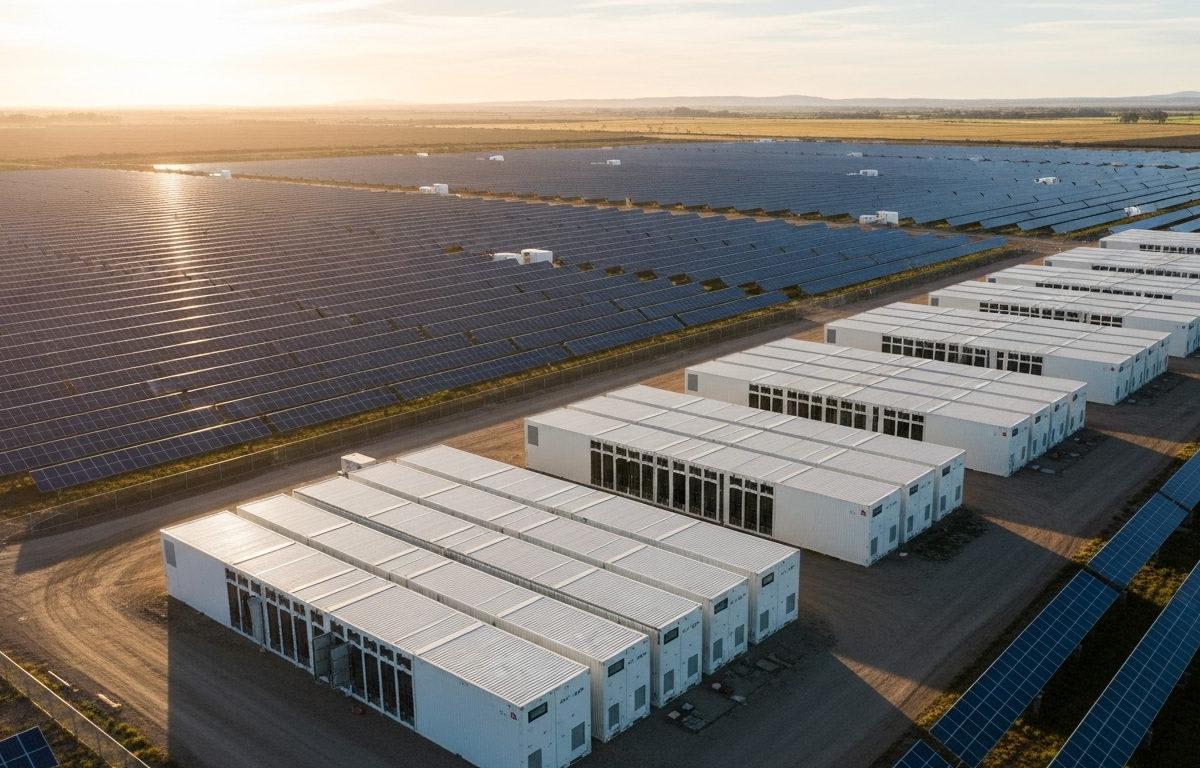
India is preparing a regulatory change that could significantly accelerate the adoption of behind-the-meter batteries. The Ministry of Energy has proposed that rooftop solar installations larger than 10 kW incorporate energy storage systems starting April 1, 2028 .
The measure is part of the draft amendment to the Electricity Consumer Rights Rules for 2026 and establishes, as a general criterion, that storage capacity must be equivalent to at least 20% of the daily generation of the renewable system .
However, the regulation will leave room for decision-making by the State Electricity Regulatory Commissions, which will be able to set both a different power threshold and a different storage ratio depending on local conditions.
If a state regulator does not define its own parameters, the obligation will apply by default to renewable installations with a capacity greater than 10 kW .

The government bases the proposal on the fall in battery costs, driven by economies of scale, technological innovation and greater competition among manufacturers.
The addition of storage would allow some of the surplus solar generation to be shifted to the afternoon and evening hours, in addition to reducing operational pressures on distributors and providing greater stability to the networks.
Greater flexibility for commercial and industrial installations
The draft also proposes to make the solar power that consumers can install more flexible, including commercial and industrial users and small and medium-sized enterprises.
These will be able to deploy a photovoltaic capacity higher than their authorized load, provided that they respect the technical limits established by state regulators in accordance with the conditions of each network.
The possibility of injecting energy will continue, however, to be conditioned by the contracted power.
Consumers may supply electricity to the system up to the authorized load limit, unless the distributor expressly approves a higher capacity.
Energy injected above that value will not generate the right to compensation and could result in penalties.
The proposal seeks to allow greater use of available roofs without automatically transferring all that new capacity to the electrical infrastructure.
Time-of-use rates and storage are gaining importance
The reform also proposes modifying the schedule for implementing time-of-use tariffs to coincide with the deployment of smart meters.
According to the draft, these tariffs would begin to apply to consumers with a load of 10 kW or more from April 1, 2028 , while for the rest of the non-agricultural users they would come into effect one year later.
State regulators will be able to define solar hours and peak demand periods according to the consumption and generation profiles of each region, instead of using uniform time slots for the entire country.
The proposal for distributed generation is in addition to another regulatory initiative that aims at larger-scale storage.
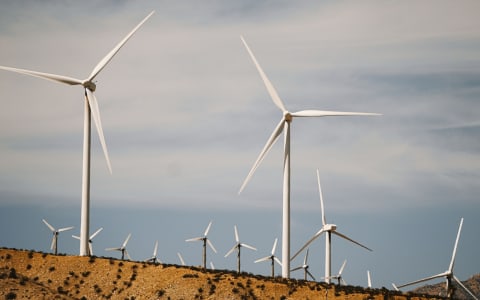
The Central Electricity Authority had already proposed that new onshore solar and wind projects that come online after July 1, 2027, incorporate on-site storage systems.
If both changes move forward, India would increasingly link new renewable capacity with batteries in both large-scale installations and rooftop systems, shifting the focus from simply adding power to a more flexible integration of that generation into the grid.
 By Matías Medinilla
 By Energía Estratégica

 By Ailén Pedrotti


 By Emilia Lardizabal