For the fourth consecutive year, the National Energy Secretariat together with FES Panama (Friedrich Ebert Foundation FES Central America) began the SDG7 Academy sessions, where 40 young people from Panama (most of them), and from Mexico, Ecuador and El Salvador, are participating, who will be trained to be part of the leaders in energy transition.
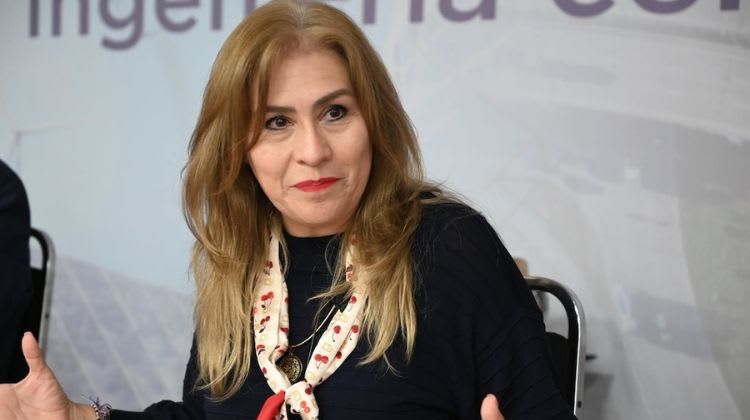
In her opening remarks, the Secretary of Energy, Rosilena Lindo R., emphasized the crucial role that young people play in the continuation of the energy transition.
Likewise, Anastacio Rodríguez Z. , director of sociopolitical projects at FES Panama, highlighted the importance of continuing to strengthen ties to train more youth leaders for the good of the countries and the planet.
The primary objective of the SDG7 Academy is to provide network members with complex, broad and innovative knowledge of public policies on sustainable energy, in order to equip society for the implementation of the country's Energy Transition Agenda.

As in previous years, for this 4th generation, each of the young people were selected for their merits and potential necessary to contribute significantly to this program.
The sessions will be held both in person and virtually. About the SDG7 Academy: The SDG7 Academy is offered both online and in person, emphasizing its modules on current topics in the energy sector and the challenges of the energy transition, in a world where discussions are taking place on carbon emissions, energy storage, energy efficiency, the penetration of renewable energies, hydrogen, and other related issues.
It consists of 6 modules, taught every 2 weeks, with a duration of 3 hours per session, and its objective is to provide the members of the network with broad, updated and innovative knowledge of public policies, with the perspective of empowering society in the implementation of the Energy Transition Agenda in Panama.
Young people are given the opportunity to prepare intensively with top-level specialists in topics such as: Current Affairs Analysis, Energy Geopolitics and Regional Integration, Energy Economics and Energy Planning and Dispatch, Social Transformation, Women and Energy, Strategic Communication, Leadership, Change Management and Crisis Management, Public Policy for the Energy Sector and the Energy Transition Agenda.

 By Florencia Guglielmetti
 By Energía Estratégica

 By Matías Medinilla
 By Emilia Lardizabal