


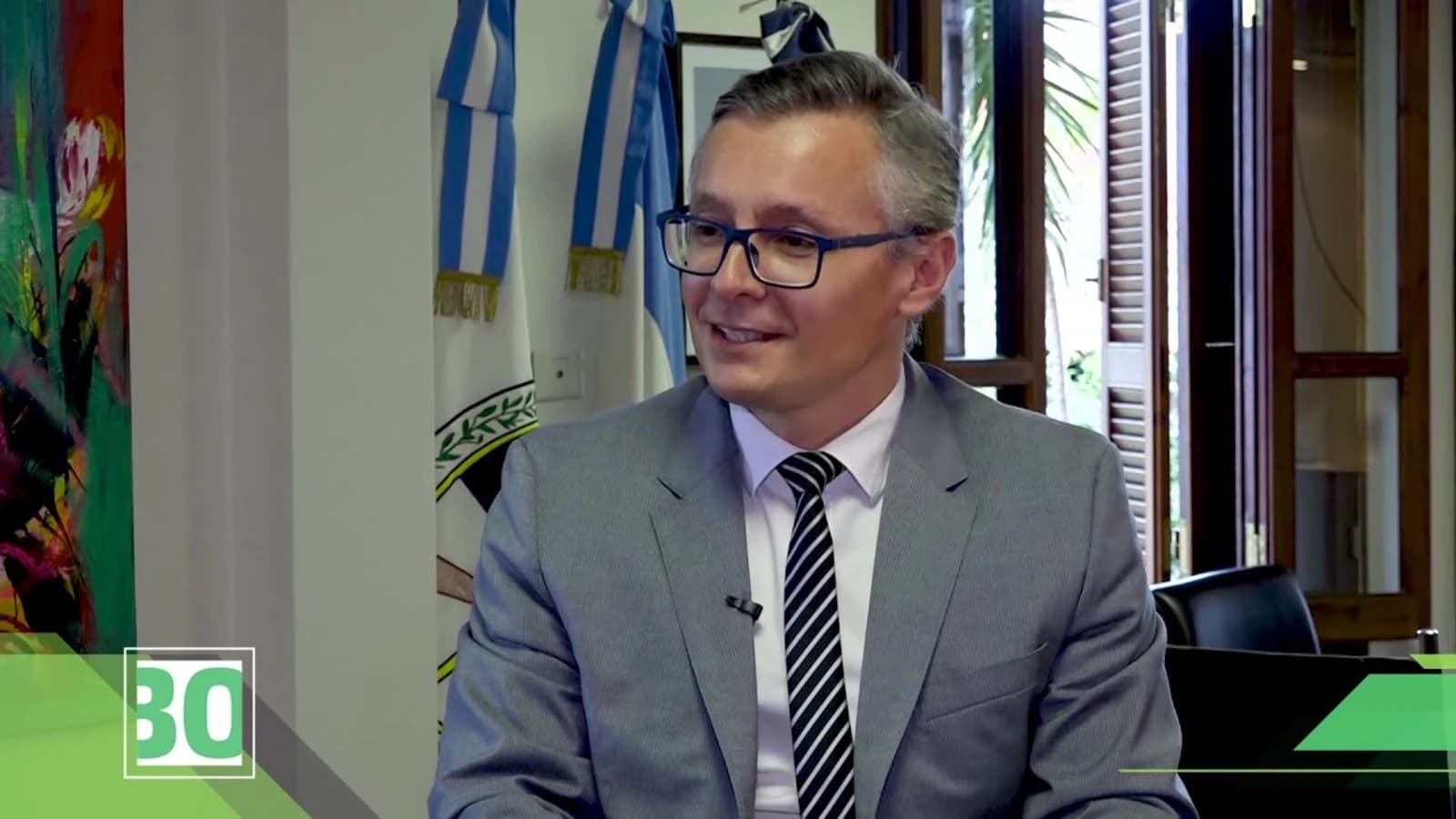
Felipe Albornoz , president of JEMSE, confirmed to Energía Estratégica that "the bidding documents are ready," but the company is still finalizing the administrative process.
Therefore, "the call for bids will be published within the next fifteen days. This tender will be launched for the second time this year because, after the previous call in February, Jujuy Energy and Mining State Company encountered some "technical problems" that had to be resolved before moving forward with the projects. "There were incompatibilities in the proposals with respect to what had been signed, so all those differences were corrected in order to relaunch the tender, which will consist of the construction, commissioning, operation, and maintenance of the parks," Albornoz assured. The parks will be built according to a priority based on the energy needs of the area and will be distributed as follows: Perico (6 MW), Cannava (6 MW), Guerrero (12 MW), El Carmen (3 MW), Los Lapachos (6 MW), Caimancito (6 MW), Yungas (3 MW), and Chalican (6 MW). The unique aspect of this initiative is that the energy generated in contiguous geographical areas will be delivered within its boundaries. all to the distributed and interconnected system of Jujuy.
This means that the use of large transmission and transformation infrastructure will be avoided. "This is important for the country because the methodology is different; there isn't a model of granting concessions for solar parks to a private company to manage and operate them, with a state-owned company retaining a stake," he added. In this way, Jujuy is pursuing several fronts to promote renewable energy in the province, from utility-scale projects like the expansion of the Cauchari Solar Park (they are awaiting the signing of the Power Purchase Agreement to increase its capacity to 500 MW), to smaller-scale projects such as distributed microgrids to ensure access to clean electricity, the Solar Villages program, and other initiatives.
