Colombia is preparing a regulatory modification that would allow the installation of battery energy storage systems (BESS) in electricity generation and transmission projects without requiring a modification of their environmental licenses , provided that the interventions meet the established conditions and are carried out within the previously authorized areas.
The initiative, jointly promoted by the Ministry of Mines and Energy and the Ministry of Environment and Sustainable Development , is in public consultation and proposes to add sub-item 25 to item 3.1 of article 3 of Resolution 859 of 2022, with the objective of expressly incorporating these technologies into the regime of minor changes or normal adjustments.
The proposal includes the installation, replacement, relocation, adaptation, repowering and operation of batteries associated with generation plants and transmission infrastructure that already have an environmental license.
The mechanism would allow these interventions to be carried out through the procedure of prior information to the environmental authority, without the need to advance a modification of the license, provided that no new environmental impacts are generated nor any of the causes that require this procedure are configured.

The measure comes at a time of increased activity for Colombian energy storage, after the 2026 long-term electricity contracting auction incorporated batteries among its awarded projects for the first time .
According to Energía Estratégica , the process allocated 4,564 MWh-day backed by six projects that bring together 995 MW of solar and 100 MW of storage , with 15-year contracts whose obligations will begin on January 1, 2030.
The contract was awarded to four companies: ISAGEN, Empresas Públicas de Medellín, Celsia, and Enel Colombia . The storage systems correspond to two hybrid solar projects: Bosques Solares de los Llanos 8 and Parque Solar Andrómeda.
In particular, the product that combined photovoltaic generation and batteries was awarded 390 MWh-day at a weighted average price of 315.87 Colombian pesos per kWh , approximately 28% above the price of the exclusively daytime solar product.
This result sets a precedent for the market, by incorporating contractual supply commitments that include storage during the hours following solar generation.
What would change for BESS project developers?
The draft resolution states that interventions on storage systems may be considered minor changes provided they are carried out within the intervention area authorized in the environmental license of the generation or transmission project .
If approved, this provision would simplify the environmental procedure for incorporating batteries into certain existing facilities, although it would not eliminate the obligations associated with compliance with current permits and conditions.
The article expressly proposes that the incorporation of storage be included within the list of minor changes, "provided that it is within the intervention area of the generation or transmission project authorized in the environmental license."
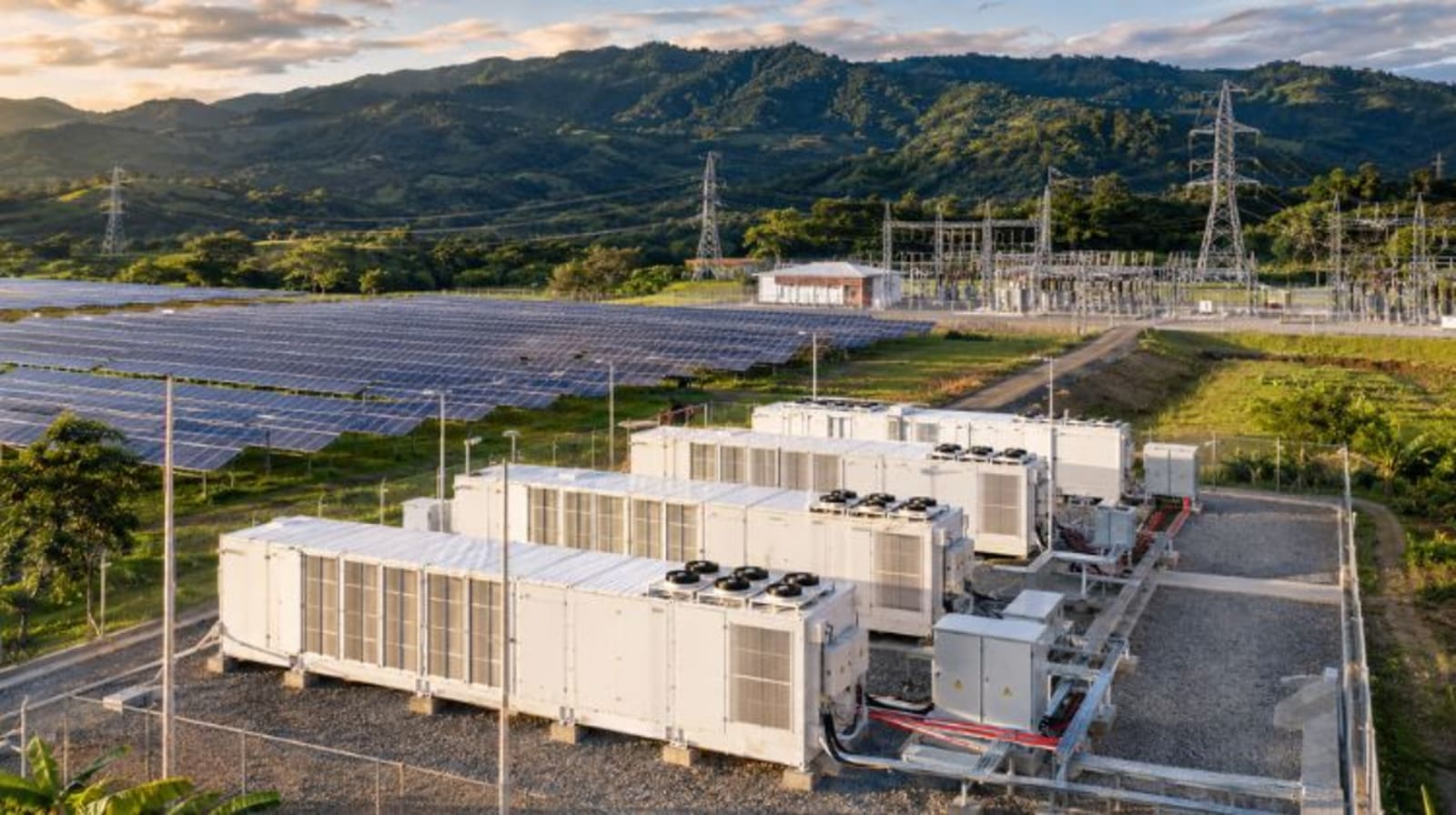
In technical terms, the measure includes power conversion equipment, control and protection systems, cooling, electrical connections and complementary works necessary for the operation of the BESS.
According to the rationale of the proposal, these interventions may take advantage of previously developed platforms, access points, operational areas and electrical infrastructure, depending on the specific conditions of each facility.
The document clarifies that “The addition does not include storage projects independent of the licensed generation or transmission infrastructure projects,” differentiating these developments from facilities associated with existing assets.
Furthermore, the actions must fully comply with the conditions set forth in Article 2 of Resolution 859 of 2022 and may not constitute grounds for license modification contemplated in Decree 1076 of 2015.
The proposal also incorporates specific obligations regarding operational safety. In particular, it establishes that “The holder of the environmental license must update the Contingency Plan or Risk Management Plan (as applicable),” incorporating the risks associated with the installation and operation of the storage facility.
These updates should consider the emergency scenarios corresponding to each technology and configuration, as well as prevention, detection, response, and recovery measures.
Likewise, the environmental requirements related to the treatment and final disposal of batteries and electronic components must be considered, activities that will remain under the monitoring of the competent authorities.
The initiative is complemented by the regulatory framework developed during 2026, particularly Decree 0393 and CREG Resolution 101 113 , which established guidelines and mechanisms to integrate storage into the Colombian electricity system.
Continue reading
This latest regulation includes calls for proposals to select investors in storage projects and remuneration mechanisms, including offers based on an Expected Annual Income for certain assets.
Therefore, the eventual environmental modification would address a different dimension of economic regulation: the procedures for incorporating batteries into previously licensed projects , while market rules define aspects related to their participation and remuneration.
A market with growing investments and profitability challenges
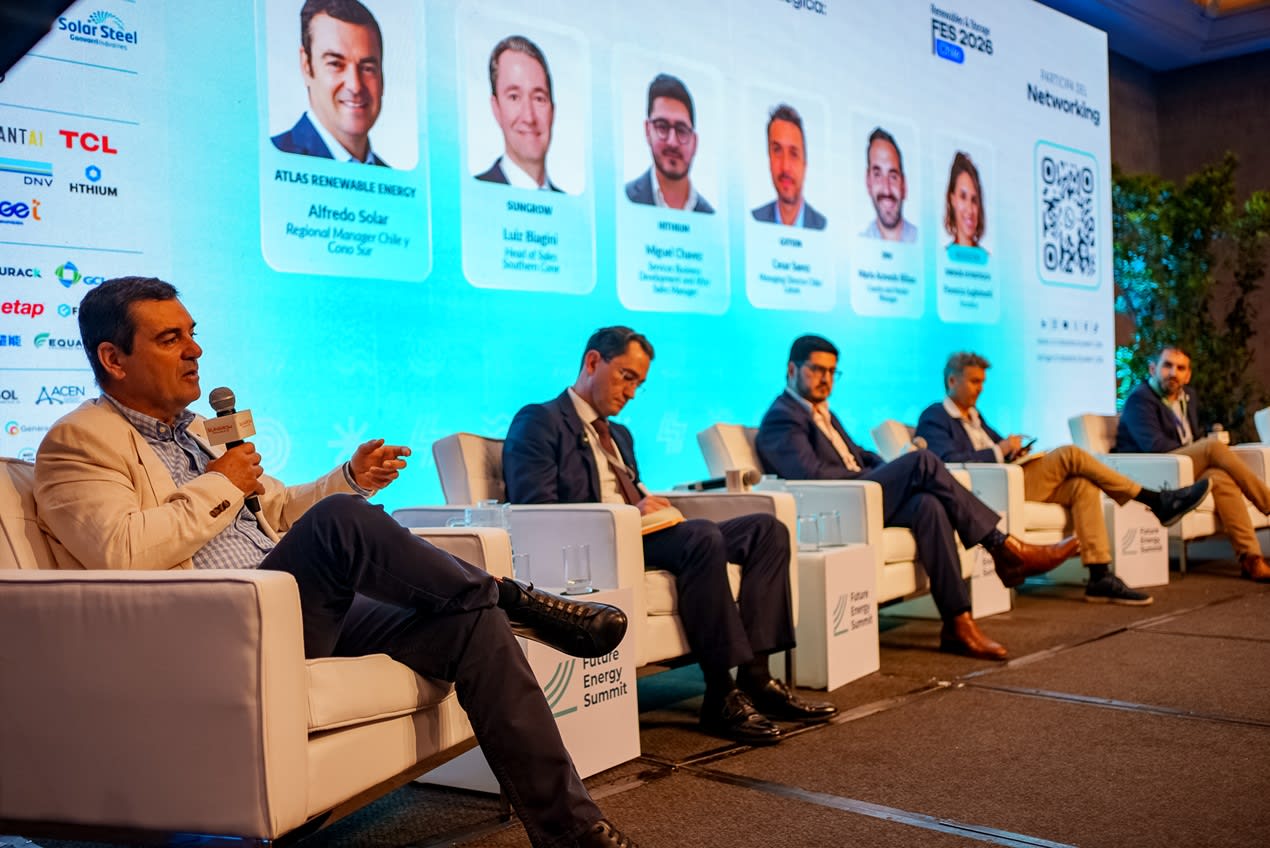
Interest in energy storage is also reflected in the investment portfolios presented by some of the country's leading companies during Future Energy Summit Colombia 2026 .
According to Energía Estratégica , Isagen, Celsia, Krelo-Promigas, Enel, Terpel and ISA presented their expansion strategies, which include solar projects, batteries and transmission infrastructure.
Among the most relevant announcements, Isagen presented a portfolio of approximately 820 MW of solar power in different stages and another 600 MW of its own development , while the possibility of hybridizing its projects would represent a potential of close to 4 GWh of storage.
For its part, Celsia set as its objective to reach 1 GWh of installed storage capacity during the next five years , in addition to advancing with projects that combine photovoltaic generation and batteries.
Krelo-Promigas also showcased a portfolio of 600 MW greenfield solar projects in Colombia, evaluated from early stages with the possibility of incorporating storage, while other companies have new developments in preparation.
However, the increased business interest still coexists with challenges in consolidating business models that allow these facilities to be financed.
An analysis by Aurora Energy Research , presented during Future Energy Summit Colombia 2026, indicates that intraday price differentials for four-hour batteries increased by 350% between 2021 and 2026 , without that growth yet translating into a massive deployment.
The consultancy projects that Colombia could reach around 6 GW of installed solar capacity by 2030 , increasing the need for flexibility to manage generation surpluses during the day and supply demand at later times.
However, it warns that energy arbitrage alone is not enough to boost investment, and therefore considers complementary mechanisms for remuneration for capacity, reliability and ancillary services necessary.
Adding to this discussion is the international reduction in storage costs. According to data from BloombergNEF and Ember compiled in a report by Erco Energía, the levelized cost of four-hour BESS (Basic Energy Storage Systems) decreased by 27% year-on-year to $78 per MWh , while investment costs fell by 31%.
Despite this evolution, the report estimated that Colombia had around 50 MW of installed storage capacity by July 2026 , reflecting the gap between the reduction of technological costs and the effective development of projects in the local market.
In this scenario, the environmental simplification proposal is added to the regulatory and commercial initiatives aimed at facilitating the incorporation of batteries into the electrical system.
The document justifies this need based on the risks to supply derived from the growth in demand, the reduction of water inputs during El Niño phenomena and the greater demands on thermal generation.
In that sense, the project's foundations maintain that "the incorporation of electrical energy storage systems with batteries (SAEB) constitutes an alternative to strengthen energy security, flexibility and reliability of the electrical system."
They also highlight their contribution to temporarily managing available energy, complementing generation and transmission infrastructure, and improving the use of renewable sources.
The proposal still needs to complete its regulatory process. The document states that the amendment would take effect upon its publication in the Official Gazette , while maintaining the other provisions of Resolution 859 of 2022.
If finalized, Colombia would incorporate a new environmental simplification mechanism for BESS systems associated with licensed infrastructure, while advancing in the consolidation of contracts, remuneration mechanisms and conditions to expand investments in storage.

 By Emilia Lardizabal
 By Florencia Guglielmetti