

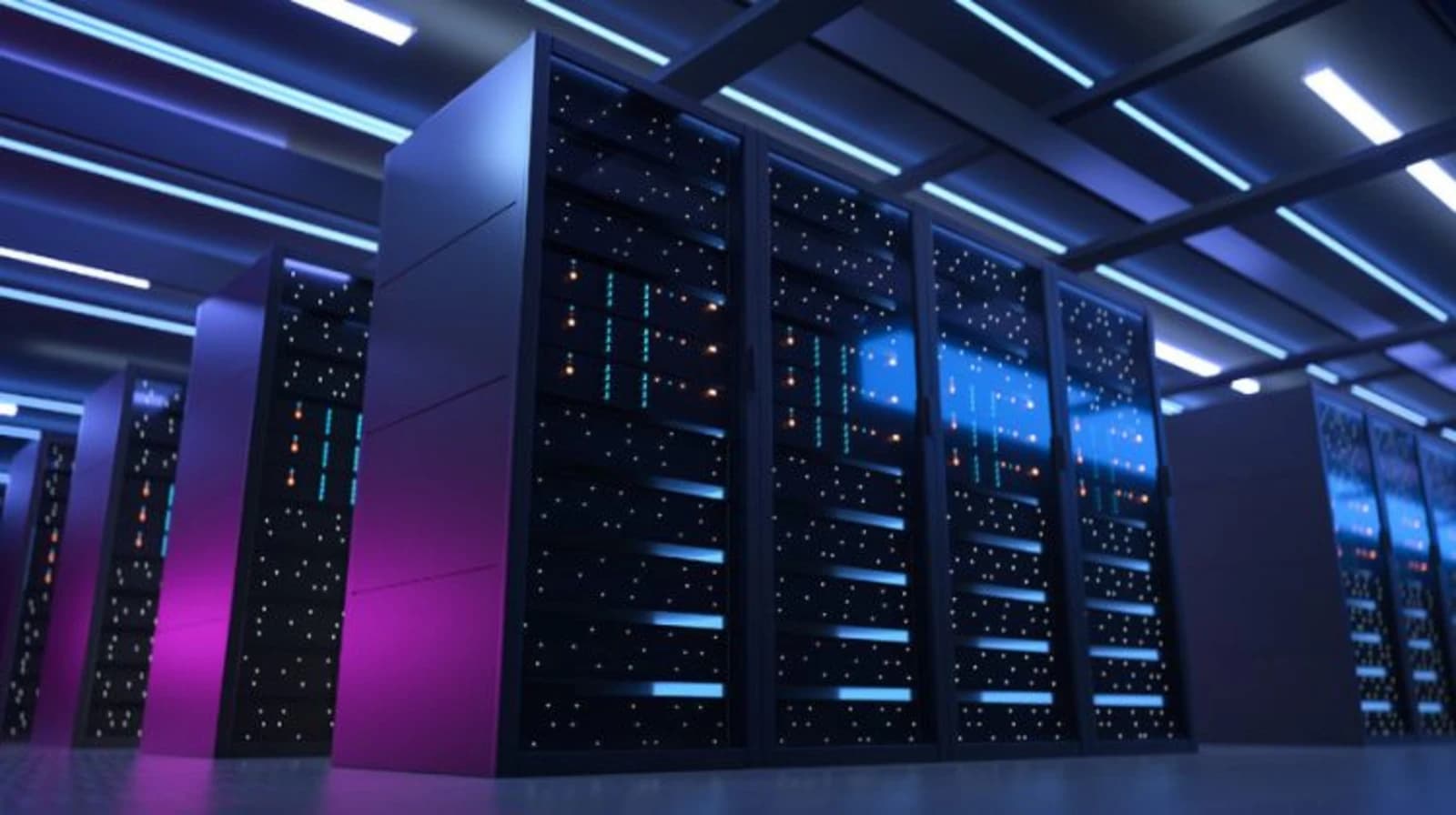
Mexico is preparing for a new energy race driven by the growth of data centers. By 2030, the country will need to add 1,500 MW of new electricity demand to supply this critical infrastructure, equivalent to almost 3% of the current peak demand of the National Electric System (SEN) , estimated at 52,302 MW.
This transformation could mobilize $18 billion in investments over the next five years , with an impact equivalent to 5% of the national GDP , according to official estimates.
From the private sector, estimates also reflect the magnitude of the challenge. The Mexican Data Center Association (MEXDC) projects that installed capacity will need to increase several times over by the end of the decade to keep pace with the growth of critical digital infrastructure. The country has more than doubled its operational data center capacity, going from 115 MW in 2023 to 279 MW in 2026. Currently, Mexico has approximately 205 MW under construction, figures that still appear insufficient to meet the projected requirements for 2030.
Geographically, the ecosystem is heavily concentrated in Querétaro, currently considered Mexico's main hub for digital infrastructure. According to industry surveys, the state already accounts for a significant portion of the energy demand associated with data centers, driving the development of industrial parks and new electrical infrastructure needs in one of the most demanding areas of the system.
The phenomenon, however, extends beyond the Mexican market. Data centers already represent one of the world's largest new electricity consumers. In 2024, they accounted for 1.5% of global electricity consumption, equivalent to 415 TWh, and this could climb to 945 TWh by 2030—a figure exceeding Japan's current electricity consumption and equivalent to more than three times Mexico's total annual consumption of 304 TWh.
But the challenge goes beyond attracting digital capital: the real bottleneck will be ensuring firm energy, transmission infrastructure, and operational flexibility to support growth. Signs of pressure on the grid are already beginning to appear. As of December 2025, contracted load capacity under study was around 7,000 MW , of which 75% corresponds to new requests and 25% to expansions of existing load centers . This data reflects that the pressure on Mexico's electrical infrastructure is no longer solely due to traditional industrial growth, but also to new, intensive demands linked to digitalization, advanced manufacturing, and large consumers.

Continue reading
The development of digital infrastructure could also align with the Mexican government's territorial strategy. The Economic Development Hubs for Well-being , located in states such as Sonora, Puebla, Veracruz, Chihuahua, Guanajuato, Campeche, and Tamaulipas, appear as potential destinations for energy-intensive infrastructure, particularly if they are accompanied by new generation capacity and grid expansion.
Faced with this scenario, the country is beginning to take steps to prevent the electrical infrastructure from becoming a bottleneck for digital expansion. The strategy combines strengthening the National Transmission Network, new calls for proposals for energy generation and storage projects, along with regulatory frameworks that promote self-consumption as an alternative for large consumers with intensive and continuous demand, such as data centers.
The National Electric System Strengthening and Expansion Plan contemplates a progressive acceleration in the entry into operation of transmission projects: 32 in 2024, 57 in 2025, 40 in 2026, 47 in 2027, 17 in 2028, 19 in 2029 and 52 towards 2030.

In parallel, the administration is seeking to accelerate the supply of new electricity through various investment mechanisms. It's worth noting that the joint bidding process launched with the Federal Electricity Commission (CFE), aimed at incorporating new generation capacity, is expected to award its final results on June 1st. More than 40 companies remain in the running. In addition, other calls for bids are currently open for private projects, new joint ventures, and energy storage systems, in an effort to strengthen the system's capacity in the face of increasingly intensive demand.
On the other hand, the new self-consumption regulations appear to be a particularly relevant tool for large electricity consumers such as data centers. According to the government, under this scheme, users will be able to develop their own generation—preferably renewable—with associated storage, reducing their exposure to grid constraints and strengthening their operational resilience.
Beyond the immediate supply challenge, this phenomenon also introduces a conceptual shift for the Mexican electrical system. Data centers are no longer seen solely as large new consumers, but as potential flexible assets capable of being more intelligently integrated into the system's operation through storage, advanced demand management, and modular backup capabilities.