The National Energy Commission (CNE) formalized a new contract model for interconnection and connection to the National Electric System , applicable to power plants, energy storage systems and load centers.
The measure was published in the Official Gazette of the Federation on March 17, 2026 and seeks to update the regulatory framework of the Mexican electricity sector.
The document establishes the contractual conditions that will govern the connection of facilities to the National Transmission Network and the General Distribution Networks , as well as the responsibilities of the parties involved in the interconnection process.
This scheme involves the Federal Electricity Commission (CFE) , in its capacity as a transporter or distributor, and the applicants who develop projects for the generation, storage or consumption of electricity.

The agreement also specifies that power plants operating under the distributed generation model with a capacity of less than 0.7 megawatts should not sign this contract, but rather comply with the model established in the General Administrative Provisions on Distributed Generation.
With this, the CNE seeks to bring greater clarity and regulatory order to the functioning of the electricity sector.
In practical terms, the new model legally standardizes the basic instrument for accessing the National Electric System.
In practice, this is the enabling contract for the operation of an electrical project, since without its formalization, synchronization with the grid cannot be completed nor can commercial operation begin.
At the same time, the contract is consolidated as a key instrument of regulatory compliance within the electricity system.
Key aspects of the new scheme include the mandatory standardization of the contractual instrument, which establishes a single model applicable to power plants, storage systems and load centers.
This uniformity seeks to strengthen legal certainty for developers, although it also reduces the margins for structural negotiation in projects.
The model also reinforces the operational role of the National Energy Control Center (CENACE) , since the signing of the contract is conditional upon the instruction of this body.
This consolidates the binding nature of electrical planning and the technical coordination of the system.
Another relevant point is the formal integration of electrical storage systems within the contractual framework .
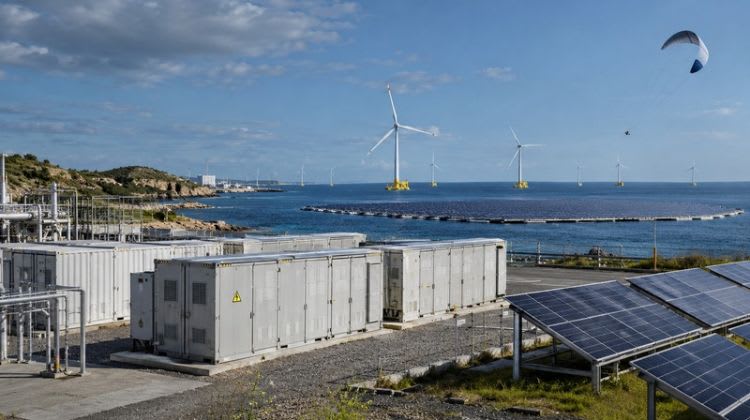
The model recognizes these facilities as full contractual subjects, which opens up new opportunities for the development of hybrid projects and operational flexibility solutions , including schemes that combine solar generation with battery storage and complementary system services.
Furthermore, the regulation establishes greater responsibilities for developers regarding infrastructure and compliance with deadlines , particularly in relation to specific works, guarantees and estimated operating dates.
This approach increases the weight of development risk and may influence the bankability of projects.
In parallel, the agreement strengthens the concept of the interconnection point as a strategic element within the technical and financial structuring of electrical projects , in a context where system planning is acquiring an increasingly decisive role.
From a public policy perspective, the updating of the contractual model confirms a trend towards a more centralized energy planning scheme , in which private participation is structured under technical criteria defined by the planning of the national electricity system.
 By Emilia Lardizabal



 By Ailén Pedrotti

 By Florencia Guglielmetti