Orygen Peru obtained the permanent occupancy easement for the CERW Wayra Solar Photovoltaic Power Plant project, a key regulatory milestone for the development of what will be the country's first large-scale hybrid wind-solar complex.
The measure was formalized through a resolution from the Ministry of Energy and Mines (MINEM), which establishes the right to use the area necessary for the project's infrastructure, located in the district of Marcona, province of Nasca (Ica).
Wayra Solar is part of a complex that will integrate wind and solar power generation, reaching a total installed capacity of over 400 MW.
This development combines the Wayra I and Wayra Extension wind farms with the new photovoltaic plant, configuring the first large-scale hybrid scheme in Peru.

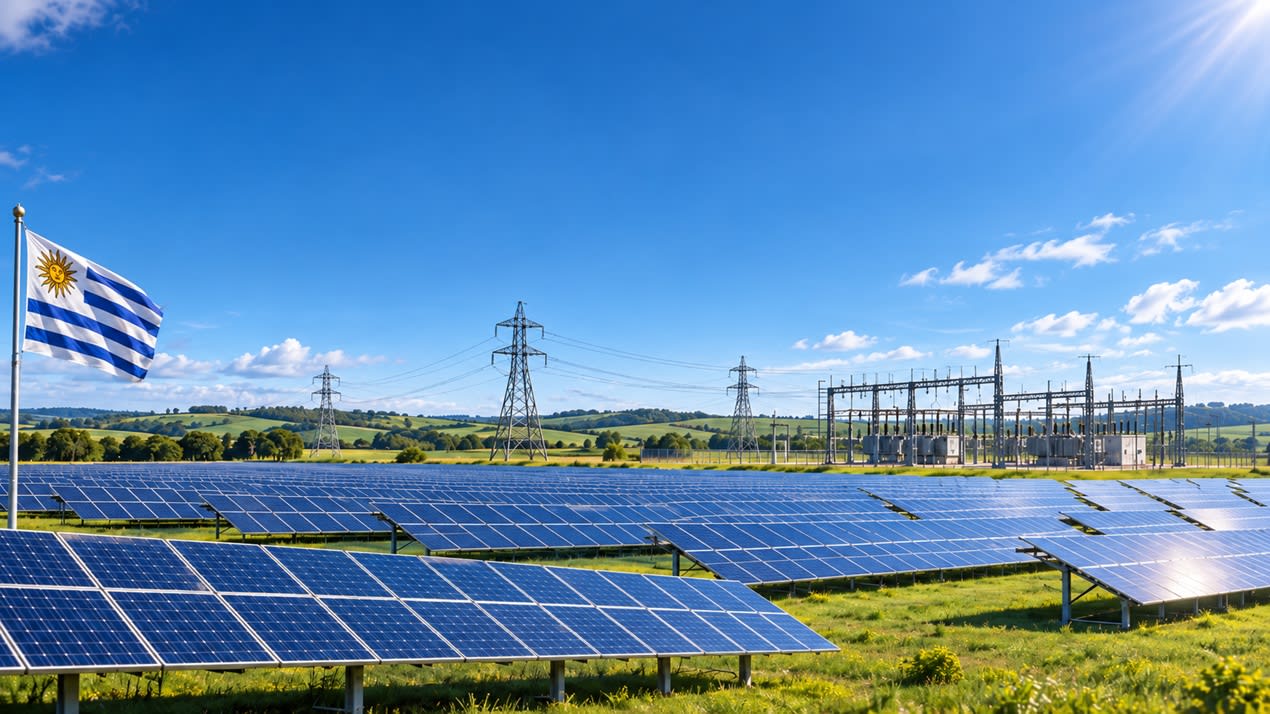
The solar power plant will require an investment of approximately US$71.8 million and includes the installation of around 130,000 photovoltaic panels on an area of 260 hectares.
According to the planned schedule, the construction that began in June 2025 will allow the project to enter commercial operation during the last quarter of 2026.
With the launch of Wayra Solar, the company will increase its installed solar capacity by 36% and consolidate its position in renewable energy within the Peruvian electricity system.
The complex will allow Orygen to reach a combined capacity (solar and wind) of 662 MW, with an estimated production of 2,390 GWh per year.
In addition, it will help to avoid the emission of approximately 1.4 million tons of CO2 per year.
The ministerial resolution establishes that the company must guarantee the integrity of the easement area, avoiding any use that interferes with the operation of the project, under legal responsibility in case of non-compliance.
During the construction phase, the project will generate an average of 250 jobs per month, with peaks of up to 450 workers, of which 60% will be local labor, according to company data.
Wayra Solar's progress is part of Orygen's strategy to expand its renewable portfolio and strengthen the complementarity between technologies, allowing generation both during the day and at night.
This type of hybrid development is gaining relevance in the context of Peru's energy transition, as it provides greater stability to the electrical system and optimizes the use of available renewable resources.

 By Florencia Guglielmetti

 By Energía Estratégica

 By Matías Medinilla

 By Emilia Lardizabal