The Electricity Master Plan 2023-2032, updated in August of this year (see document) , proposes a series of actions to expand national generation, which is currently 8,247 MW through 327 power plants, to 15,651 MW by 2032.
To reach that goal, the country will have to install an additional 7,404 megawatts, which means almost doubling the current electricity grid.
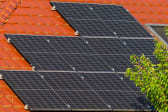
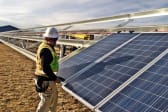
This investment includes the construction of 37 new power plants, including hydroelectric, solar, wind, and biomass projects, with the aim of strengthening the country's energy matrix and promoting renewable sources.
These projects will cost approximately US$10,446.5 million, with 16 of those projects being built with private capital, according to the regulations of the Ecuadorian Electricity Corporation, CELEC, approved last July.

Within the framework of this update to the Plan , which had not been reviewed since 2018, Marco Ledesma Guaitarilla, an Electrical Engineer with a Master's degree in Circular Economy and more than 20 years of experience in energy, analyzed the document and proposed solutions to Ecuador's energy challenges. " Ecuador faces major challenges in the energy sector, due to the growing demand for electricity and the dependence on fossil fuels for energy generation."
The 2023-2032 Electricity Master Plan charts a course towards a sustainable energy transition, addressing challenges through key actions such as the development of renewable energy and the strengthening of infrastructure," it states.
The Master Electrification Plan projects that electricity demand will grow by 60% in the next decade, rising from 31,483 gigawatt-hours (GWh) in 2023 to 50,544 GWh in 2032. In this regard, the expert describes strengthening the country's electrical grids as a fundamental step to incorporate more clean energy generation and avoid power rationing.
" Ecuador is modernizing its electricity transmission and distribution system."
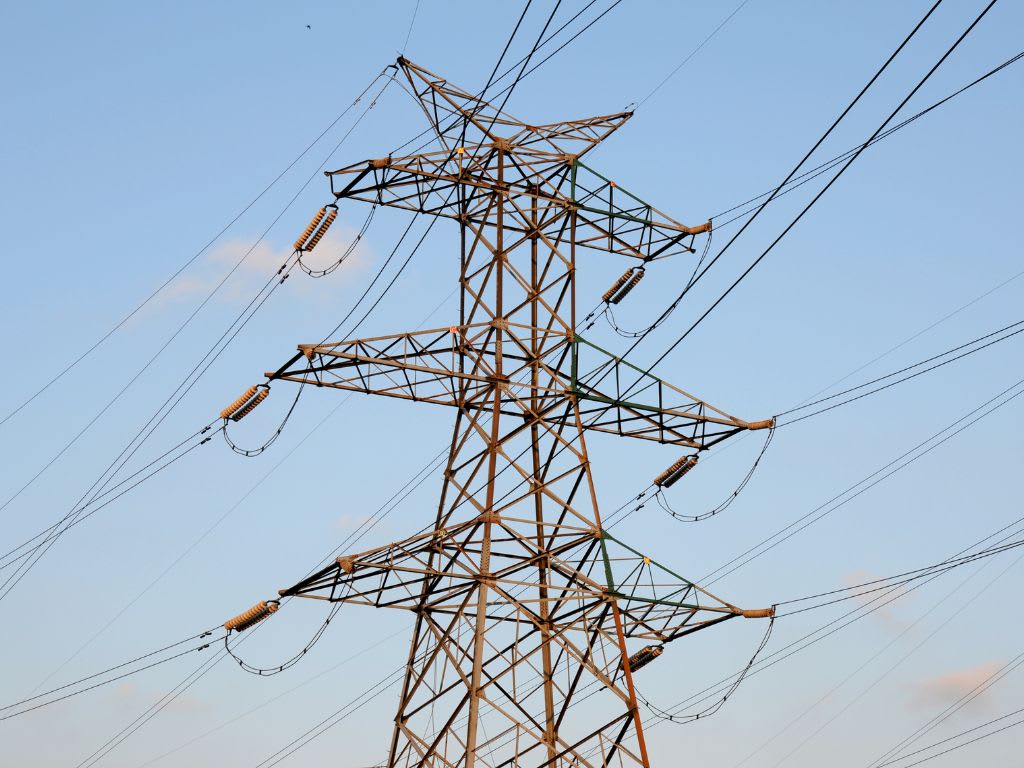
"With an investment of USD 1.748 billion, priority is given to expanding transmission networks to support industrial growth and improve coverage in rural areas9," he says.
"In turn, additional investment is planned in firm generation and replacement of thermoelectric plants, guaranteeing a stable and reliable supply to meet the growing demand," he adds.
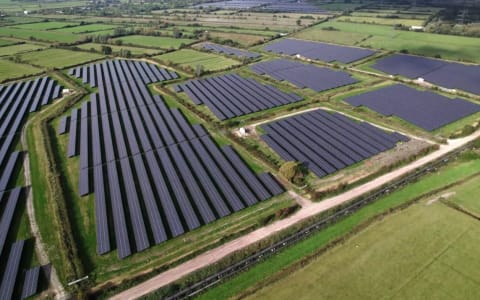
In this context, considering the significant potential in renewable sources, such as hydroelectric, solar, wind and biomass, Ledesma suggests accelerating the expansion of projects such as the El Aromo Solar Park and the Villonaco III Wind Project to reduce carbon emissions and decrease dependence on conventional sources9.
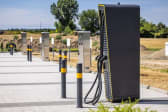
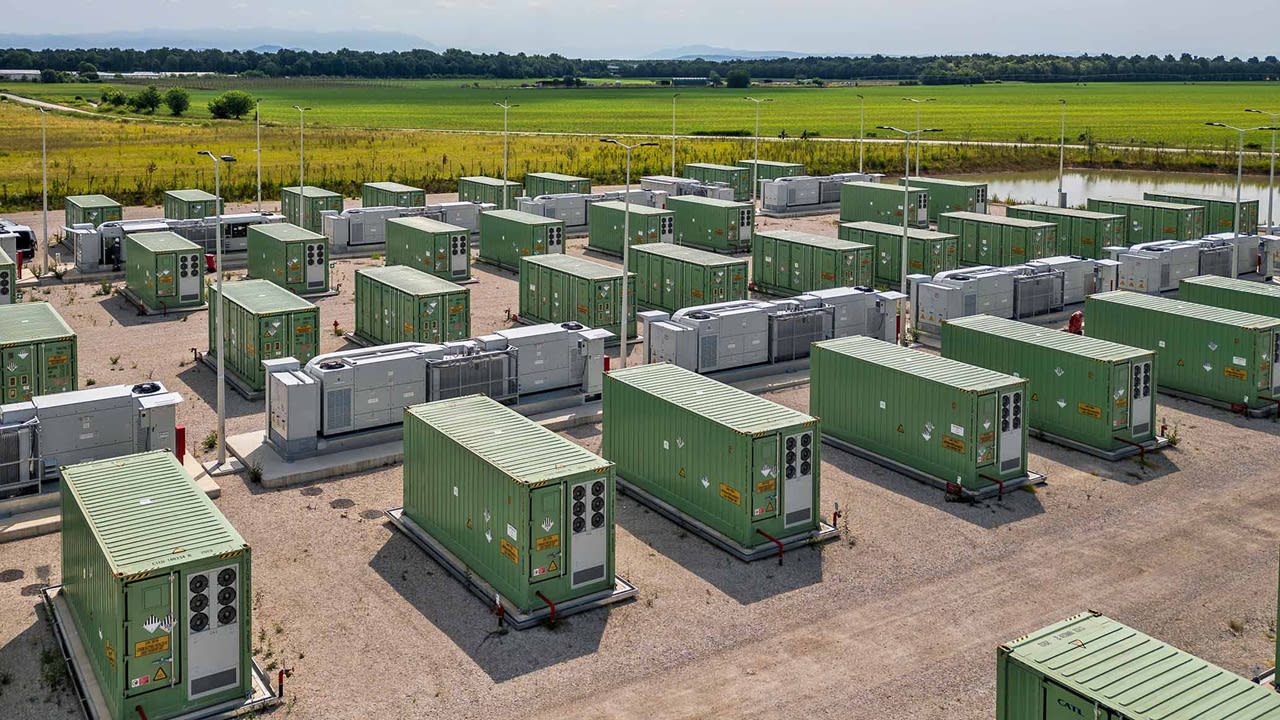
It also emphasizes that promoting distributed generation, supporting electromobility, and developing green hydrogen will contribute to greater energy resilience, enabling the effective integration of intermittent renewable energy sources.
"With these efforts, Ecuador is moving towards a cleaner and more efficient energy matrix, improving energy security and contributing to the fight against climate change," he concludes.

 By Florencia Guglielmetti
 By Energía Estratégica

 By Matías Medinilla
 By Ailén Pedrotti