


Spain entered the countdown to activate its capacity market and, almost a month after the publication of Order TED/966/2026, the sector continued to await the first calls for tenders, the operating procedures and the final conditions for offering firm power.
Among the unknowns, one particularly sensitive question arose for demand: will independent aggregators be able to participate from the first auction?
The mechanism, approved on September 17 after seven years of processing, opened up contracting for generation, storage, and flexible consumption through three modalities: main auctions, adjustment auctions, and transitional auctions. The latter would cover firmness needs until the start of contracts in the first main auction, while new investments could access remuneration for up to 15 years and demand for periods of between one and ten years.
However, the implementation schedule could become a barrier to entry for one of the participants that the design itself sought to incorporate.

This was the warning issued by Álvaro Fuentes Postigo, representative of RD-ES , in a dialogue with Energía Estratégica:
“They need to definitively regulate the figure of the independent aggregator and then publish the call for the first capacity market auction, and not the other way around.”
The warning came as the sector was assessing the possibility of the mechanism beginning with temporary awards , intended to cover the system's needs before the long-term commitments came into effect. Although no official date had yet been set, various sector expectations had placed the first processes during the first half of 2027.
The specialist also focused on the order of the first awards, the official schedule for which was still pending.
“They will probably start with temporary measures, not the main one. That doesn't mean it's a bad thing; on the contrary, I think it's good so that the whole sector can get used to it, ” he said.
Preparation will require identifying consumers capable of modifying their demand, assessing their facilities, and determining how much power they can commit. The regulations established a minimum of 1 MW of firm capacity for individual participation and enabled the pooling of smaller resources, a particularly relevant option for industries and distributed consumers.
“We will have to go to our customers, the electricity consumers, and see to what extent their facilities will be able to participate in the capacity market, and that takes time,” he explained.
Continue reading
The 2019 European Directive had already recognized independent aggregation, but Spain still had to complete the conditions for its effective participation in the electricity markets.
"If the independent aggregator is not allowed to participate from the beginning, that balance between generation, storage and demand will not be generated," he warned.
The debate over access to the capacity market also opened an economic front. RD-ES questioned the financing criteria adopted by the Spanish government , identifying differences between the treatment of independent aggregation and the new firm capacity remuneration scheme.
The precedent dates back to September 3 , when the public consultation on the regulation of aggregators ended. According to the RD-ES representative, the State Secretariat for Energy had ruled out pooling compensation between these operators and energy retailers , arguing that the cost would ultimately be passed on to all electricity consumers.
“What we find very striking within the working group is that those who will finance this capacity market are the electricity consumers through their bills,” he questioned.
Order TED/966/2026 established that the cost of the mechanism would be borne by retailers and direct consumers in the market, through differentiated pricing for tariff segments and time periods. The methodology assigned greater weight to periods of lower electricity coverage, with the aim of incentivizing a shift in consumption towards times of greater availability.
“It contradicts what they were saying a couple of weeks ago about the mutualization of compensation between independent aggregator and marketer,” he stated.
The debate coincided with an accelerated transformation of the Spanish electricity system. Wind power exceeded 33 GW and photovoltaic power reached more than 41 GW by 2025 , compared to approximately 9 GW of solar power recorded at the beginning of 2019.
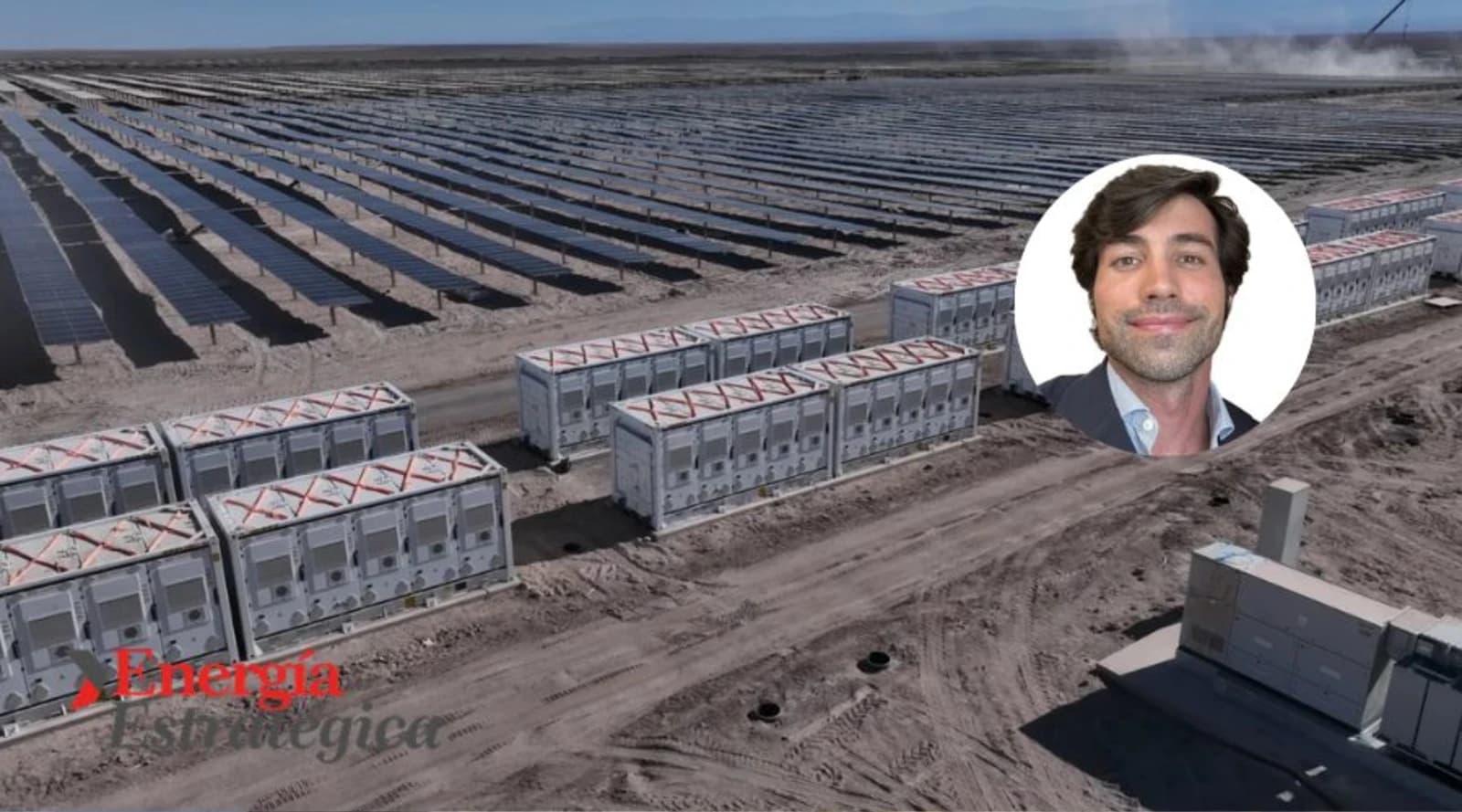
This expansion was also reflected in the storage portfolio. In September alone, the Strategic Energy survey identified ten BESS projects, with at least 334.8 MW of known capacity , including the 150.8 MW BESS PV La Puebla 3 project in Huelva. Other developments, such as Pegaso (31 MW) and Solaria-Tordesillas II (almost 20 MW), progressed through simplified administrative procedures.
While battery developers took advantage of the new facilities to accelerate their projects, independent aggregators continued to work on completing their operational commissioning. The difference in preparation times added another variable to the future competition for firm power, although the economic conditions that would determine the attractiveness of each offer were still pending.
Fuentes Postigo maintained a cautious position regarding the results that the mechanism could offer.
“To draw conclusions, until we know, for example, the operating procedure, which is fundamental, and then the call for the first auctions, any analysis could lead to error,” he warned.