The cancellation of auctions by current President Andrés Manuel López Obrador (AMLO) has slowed the execution of new large-scale projects , and the progress of renewable energy activity has been seen primarily in the distributed generation segment. Amid political uncertainty leading up to the presidential elections scheduled for June 2nd, more than 500 local and international professionals discussed the main challenges and opportunities facing the renewable energy sector in Mexico during the Future Energy Summit (FES) mega-event. One of them, Luis Rafael Ordóñez Segura , CEO of Telener 360, called for investment in transmission infrastructure and the creation of favorable conditions for the development of new projects. https://www.youtube.com/watch?v=nAEsWZqjv5Y Telener 360, a Mexican company founded in 2015 , specializes in the installation and operation of meteorological towers, an essential component in the construction and operation of wind farms. During the fair, Ordóñez Segura highlighted that, due to the pandemic and the direction the Mexican political agenda took, the company had to expand into other markets, such as Chile, Colombia, Argentina, and the United States , to maintain its business. Currently, we operate in the Magallanes region (Chile) and in Texas (USA) on towers ranging from 50 meters to 160 meters in height for projects that will ultimately be used for the production of green hydrogen.
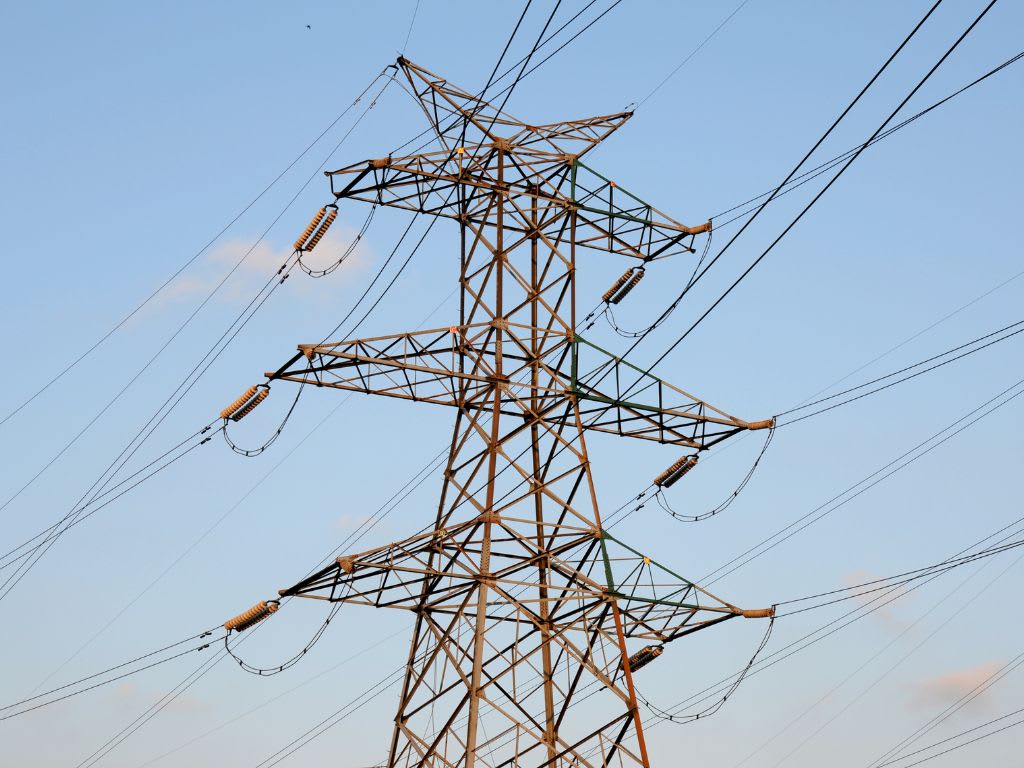
We manufacture them in Querétaro, Mexico, where we have a manufacturing plant, and we export them. Analyzing the current situation in Mexico, the expert pointed out that after five years of stagnation, it is essential to create optimal logistics and infrastructure conditions to reactivate the wind energy industry. Indeed, Ordóñez emphasizes the need to invest in high-voltage transmission networks: "A strategic transmission plan for the country that considers wind potential in strategic locations is fundamental." According to the CEO of Telener 360, the country has the conditions to develop large-scale wind projects, but a robust transmission infrastructure is necessary so that the generated energy can be distributed efficiently. Furthermore, Ordóñez suggests several strategies to foster the growth of the wind energy sector.
One of them is to promote collaboration between large and small companies , allowing SMEs to participate in the development of new projects.
This can be achieved with adequate financing and fair contractual terms. "Sometimes projects require letters of credit and stipulate that there be no advance payment, that payment be made in 60 days."

"SMEs can't sustain those conditions and are often left out," he explained. Another recommendation is to promote research and development in the industry, which could help reduce costs and improve competitiveness.
It is also crucial to create conditions that allow suppliers to have acceptable profit margins, as many are currently operating with margins of 4 to 6%, which is not sustainable in the long term. Finally, he called on the incoming government to provide mechanisms that offer long-term political predictability .
The expert emphasizes that politics should be driven by the good of the country, not by ideologies.
This, along with close collaboration between the private and public sectors, will help create a favorable environment for wind energy development. He emphasized that revitalizing the wind energy industry in Mexico requires a multidisciplinary approach , with investments in infrastructure, predictable policies, and support for small and medium-sized enterprises. With these actions, the country can once again become a leader in wind energy and move toward a more sustainable and renewable energy mix.
 By Florencia Guglielmetti
 By Energía Estratégica

 By Matías Medinilla
 By Ailén Pedrotti