
The integration of batteries is gaining traction in the assessments of large renewable energy generators in Peru, not only for new photovoltaic projects but also for plants already in operation. This shift is occurring within a context of stricter frequency regulation requirements and new economic conditions for compliance , following the implementation of technical procedure PR-21 in August 2026.
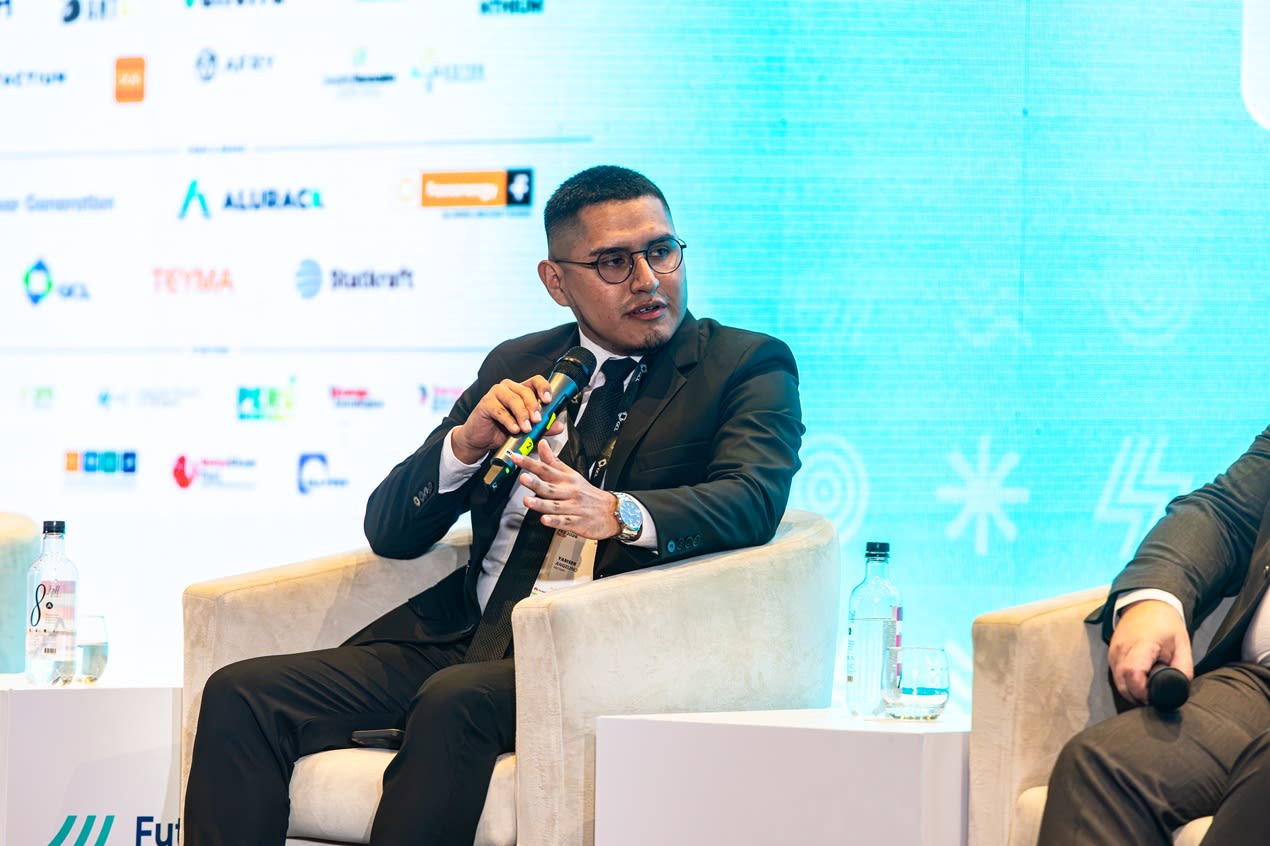
“Large IPPs are already considering BESS systems for primary and secondary frequency regulation for their current projects in operation and all those that will come into operation,” said Jorge Alvarado , Sales Manager BESS & PV Inverters at Sungrow, during Future Energy Summit (FES) Peru 2026 .
Until now, energy storage for these purposes had been primarily used in conventional power plants. However, the elimination of the exemption for solar, wind, and tidal installations over 10 MW, scheduled for 2025, extended the obligations to a segment that was previously not required to contribute to primary energy regulation reserves.
For the renewables achieved, a 24-month adjustment period was established from the approval of the corresponding technical procedures, while certain power plants with contracts from RER auctions retain a temporary exemption until their expiration.

This does not imply an obligation to install BESS systems. Generators can evaluate different alternatives to meet the requirements, but each has consequences for operation and energy availability.
From conventional power plants to new solar projects
Energy storage for primary frequency regulation is not new in Peru. In 2023, ENGIE put Chilca-BESS into operation, associated with its thermoelectric complex, while Kallpa had previously made progress with a similar solution.
Electroperú's annual report for 2024 already recorded five BESS systems intended for this service within the National Interconnected Electric System (SEIN).
The current difference lies in the extension of obligations to variable renewables , which must review their operating strategies and consider whether storage can be economically advantageous compared to other solutions.
Continue reading
The size of the potential market is also linked to the expansion of photovoltaics. According to COES data, in 2026 Peru had 63 solar power plants with approved pre-operational studies, totaling 13,778.2 MW of projected capacity.
Utility-scale photovoltaic projects, especially those exceeding 100 MW, represent a significant portion of the commercial opportunities. The integration of energy storage into these installations is increasingly becoming part of developers' technical assessments.
“We could be talking about a ratio of 100 MW of photovoltaic generation power and a system between 20 and 30 MWh,” Alvarado specified.
These figures represent commercially evaluated sizing references and not a capacity required by regulation. The amount of energy stored will depend on the power required, the duration of service, and the operational characteristics of each project.
What needs to be resolved to expand the BESS business?
Business decisions are also taking place amidst regulatory adjustments. The new PR-21, in effect since August 2026, modified the methodology for evaluating compliance with primary regulations and the scheme of charges for non-compliance, incorporating economic signals linked to the marginal costs of electricity.
On the other hand, Peru has yet to implement provisions to expand the scope of complementary services, while the new PR-22, linked to secondary frequency regulation, is scheduled to come into effect on January 1, 2027.
“While in terms of investment it is a small step, in legislative terms it is a giant leap,” said Alvarado, who also warned that there are still pending issues to take full advantage of the benefits that batteries can offer to the electrical system.
The challenge for developers will be to determine to what extent the incorporation of storage allows them to meet technical obligations without compromising the profitability of their power plants.
For now, the statements gathered during FES Peru show that large generators are already incorporating this alternative into their assessments, although they do not yet allow us to establish how many of those decisions will become concrete investments.
 By Florencia Guglielmetti
 By Emilia Lardizabal

 By Ailén Pedrotti