


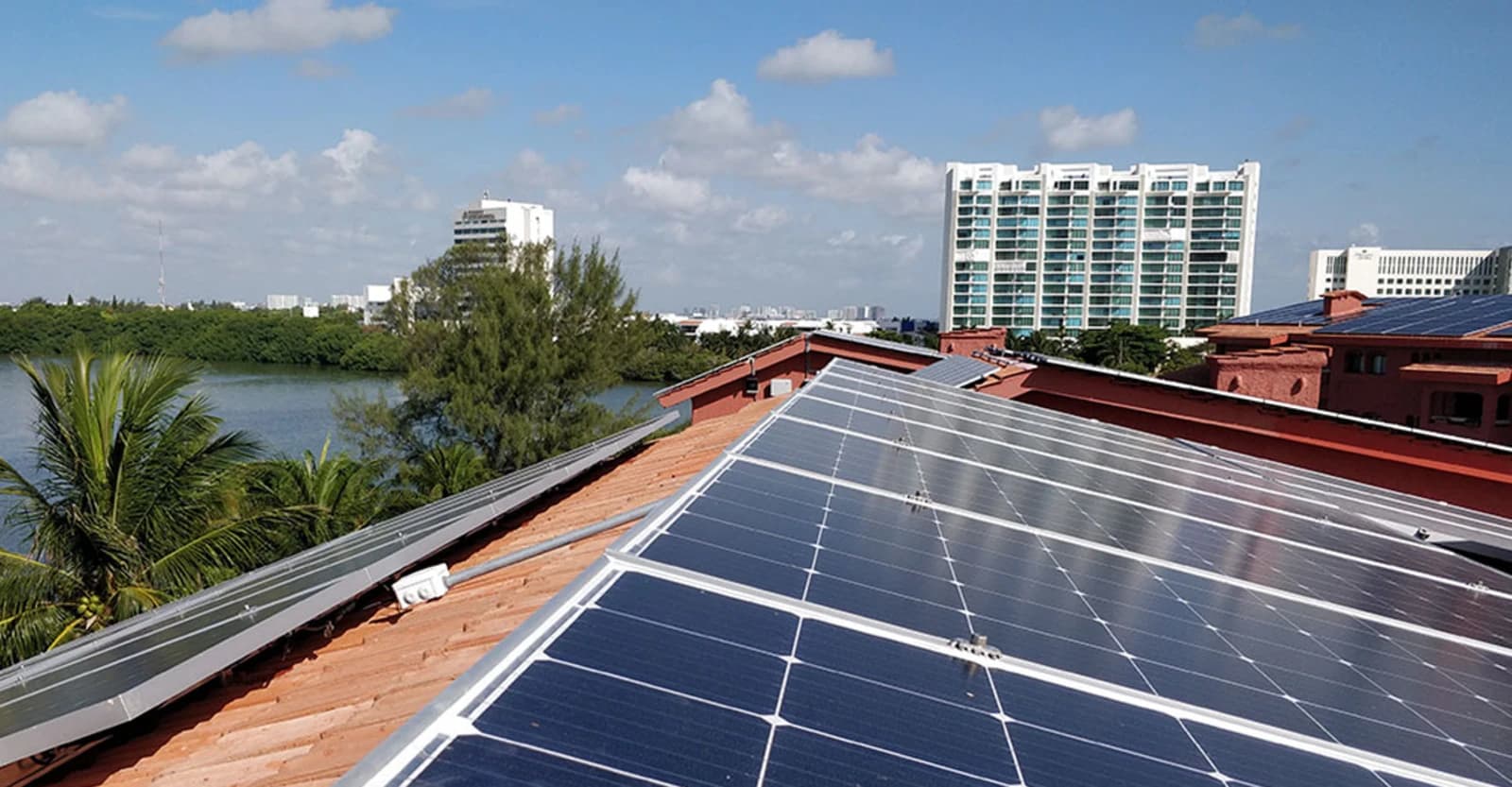
The Suno Energias Limpas (SNEL11) fund raised R$ 1010 million and is preparing to buy up to 250 MWp of distributed generation in Brazil , in a strategy that prioritizes already built and operational solar assets over the development of new plants from scratch.
Currently, the fund has approximately 150 MWp of owned and managed assets . With the proceeds from its fifth share issuance, plus the capital still available from the previous issuance, it could increase its portfolio to approximately 400 MWp .
The move comes at a time when Suno Asset is identifying better acquisition opportunities within a Brazilian distributed generation market that already exceeds 50 GW installed , but remains highly fragmented and faces greater credit constraints.
“ We are on track to become one of the largest players in the clean energy sector in Brazil. With a strong capital position and a proven track record of profitability across five issuances, SNEL11 has the necessary momentum to accelerate acquisitions precisely at a time when the distributed generation market most needs consolidation ,” stated Vitor Duarte, Investment Director at Suno Asset.

The new investment practically doubles the fund's assets. Following the transaction, its net worth will approach R$2 billion .
The offer included the subscription and payment of 116.37 million new shares , at a value of R$ 8.65 each, including the distribution commission.
There were 424 subscribers, although most of the demand came from investment funds, responsible for approximately 52.7 million new units .
Beyond the volume acquired, the central point lies in the investment strategy. SNEL11 seeks to acquire distributed generation plants that already have proven operation and contracts in place , reducing exposure to construction and commissioning risks.
The fund believes that the current cycle favors this type of transaction.
High interest rates and increased debt are putting pressure on the cash flows of some operators, while tighter access to credit may create opportunities for funds with available capacity to purchase assets.
At the same time, Suno Asset observes a correction in valuations.
After a period of appreciation associated with the strong solar plant construction cycle, acquisition prices for operating assets began to approach the sector's historical averages again .
For Duarte, that combination currently tips the scales towards acquisition.
“ Building a project from scratch requires a construction schedule, carries execution risks, and keeps capital tied up until the plant is operational. Given that acquisition prices are approaching the historical average for the sector again, buying an existing asset offers a faster and more predictable return for the shareholder ,” he explained.
Consolidation is gaining ground in a market of more than 50 GW
SNEL11's move comes in a segment that continues to grow in capacity, but where there is still a large dispersion of owners and operators.
According to data from ANEEL included in the information provided, Brazilian distributed generation exceeded 50 GW installed in August , with more than 7 million consumer units linked to this model.
For Suno Asset, this fragmentation opens a window of consolidation, especially among small and medium-sized enterprises that may face greater difficulties in refinancing debt or sustaining new investment cycles.
SNEL11 intends to focus primarily on asset groups controlled by larger operators , according to the potential portfolio included in the offering materials.
The goal is to incorporate power plants with long-term contracts and predictable revenues, avoiding as much as possible the initial exposure to construction and commissioning.
Created in December 2022, the fund maintains a real estate investment structure focused on assets related to renewable generation and already has more than 125,000 investors .
With the fifth acquisition completed, the next stage will be marked by the execution of acquisitions.
If it manages to incorporate the planned 250 MWp , SNEL11 would increase its capacity by around 167% compared to the current approximately 150 MWp and would be close to 400 MWp of distributed generation under its portfolio.